-
Shop
- Advanced Technologies
- Best-Sellers
- Car Accessories
- Dating & Social Skills
- Digital Resources
- Budgeting & Saving
- Emotional Intelligence
- Entrepreneurship & Business Growth
- Financial Independence
- Financial Mindset & Psychology
- Goal Setting
- Leadership
- Mindfulness
- Motivation
- Online Business
- Positive Thinking
- Productivity
- Self Confidence
- Sleep Improvement
- Stress Management & Relaxation
- Yoga & Mind-Body Practices
- Education & Learning
- Family & Parenting
- Fashion
- Alexander McQueen
- Bags
- Bags & Wallets
- Balenciaga
- Belts
- Blazers
- Blouses & Shirts
- Bottega Veneta
- Bottoms
- Brunello Cucinelli
- Burberry
- Chanel
- Chloé
- Dior
- Dolce & Gabbana
- Dresses
- Etro
- Fendi
- Gucci
- Jacquemus
- Jewelry
- Jil Sander
- Keychains
- Kiton
- Luggage
- Luggage Bags
- Miu Miu
- Off-White
- Outerwear
- Prada
- Rick Owens
- Saint Laurent
- Shoes
- Socks & Tights
- The Row
- Tom Ford
- Valentino
- Valentino Garavani
- Versace
- Vivienne Westwood
- Fashion Accessories
- Furniture
- Gadgets
- Guess
- Headphones
- Health & Beauty
- Health & Wellness
- Home & Garden
- Home Supplies
- Kids & Babies
- Kitchen
- Kitchen Best-Sellers
- Lighting
- Patio, Lawn & Garden
- Personal Growth
- Pet Care
- Pet Supplies
- Pets
- Sport & Outdoors
- Super Deals
- TikTok Growth & Monetization Mastery
- Travel
- Wealth
- Popular
- Best deals
What to Do With a Very Large Glass Vase: Ideas
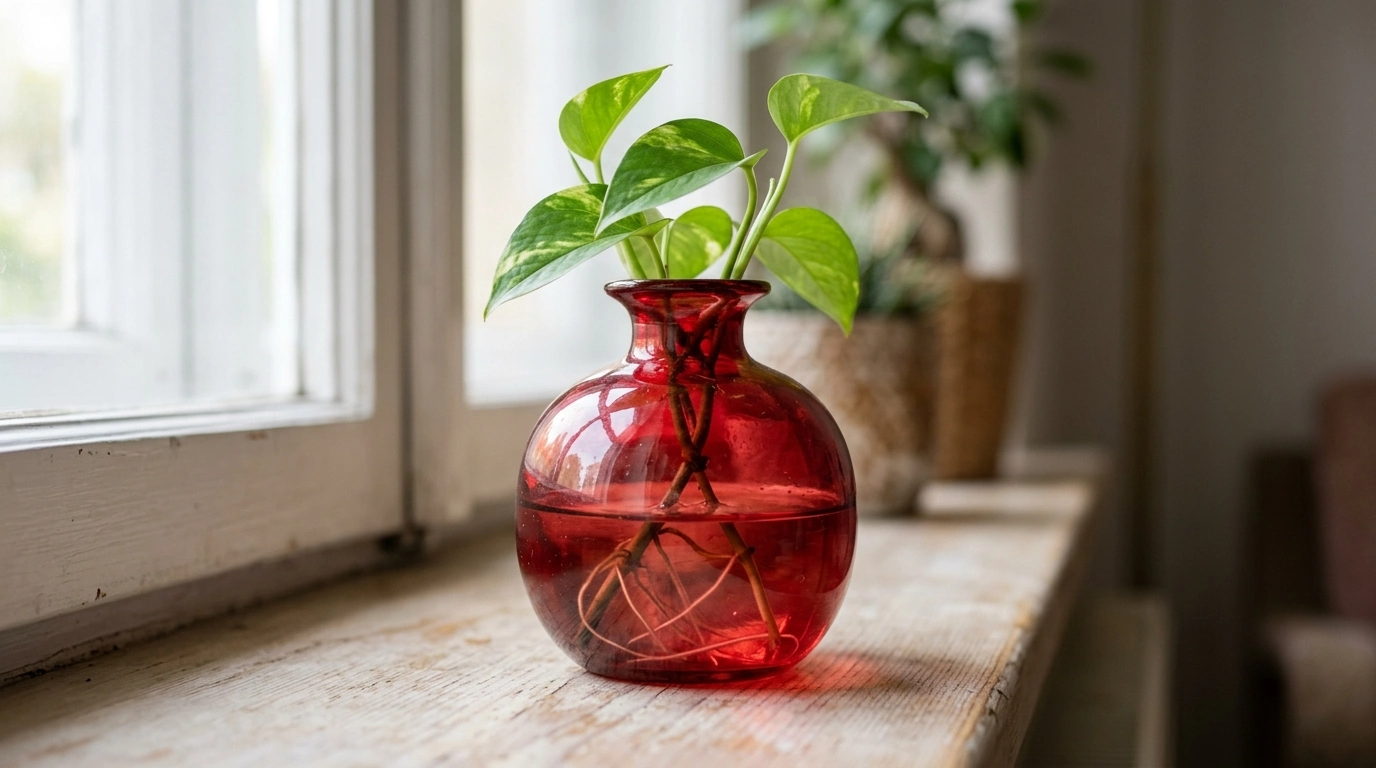
What can you do with a very large glass vase?
A very large glass vase can be a centerpiece, a floor accent, or a vessel for a dramatic branch arrangement. Start by choosing where you want it to live: its size will have the most impact where there is enough open space around it to appreciate its shape.
For a simple look, leave the vase empty and let light pass through the glass. Place it on a sturdy console, a low cabinet, or the floor beside a fireplace. Keep it away from busy walkways, door swings, and places where children or pets might knock it over.
How can you fill an oversized glass vase?
Use branches or tall stems
A few long branches can give the vase height without making it look crowded. Try dried eucalyptus, bare decorative branches, or tall artificial stems. Arrange the largest piece first, then add shorter pieces at different angles. If the vase has a wide opening, a smaller vessel tucked inside can help hold stems upright.
Create a layered display
Fill the bottom with smooth stones, shells, or decorative glass pieces for color and texture. Add them gently rather than dropping them into the vase, and keep the display light enough to move safely. For a cleaner look, use one material and leave plenty of the glass visible.
Try fresh flowers or greenery
Large leafy stems and substantial flowers can match the scale of an oversized vessel. Trim stems to different heights and add only as much water as the arrangement needs. Change the water regularly, and use a long-handled brush to clean the interior.
Where should you place a very large glass vase?
Choose a flat, stable surface that can support the vase and its contents. Water and stones add considerable weight, so fill the vase after positioning it when practical. Lift it from the base with both hands, and ask for help if it is heavy or awkward. Avoid placing glass directly in strong sunlight for long periods, especially near materials that could be damaged by concentrated light.
For a smaller-scale idea, explore our guide to using a small red pomegranate glass vase for hydroponic cuttings.
FAQ
How do you clean the inside of a tall glass vase?
Use warm water, mild dish soap, and a long-handled bottle brush to reach the bottom. Rinse thoroughly and let the vase dry before adding decorative fillers.
Recommended for you
Does Nitrile Glove Color Mean Anything?
Nov 3, 2026











Leave a comment