Find the Right Wet-Dry Vacuum for Your Home
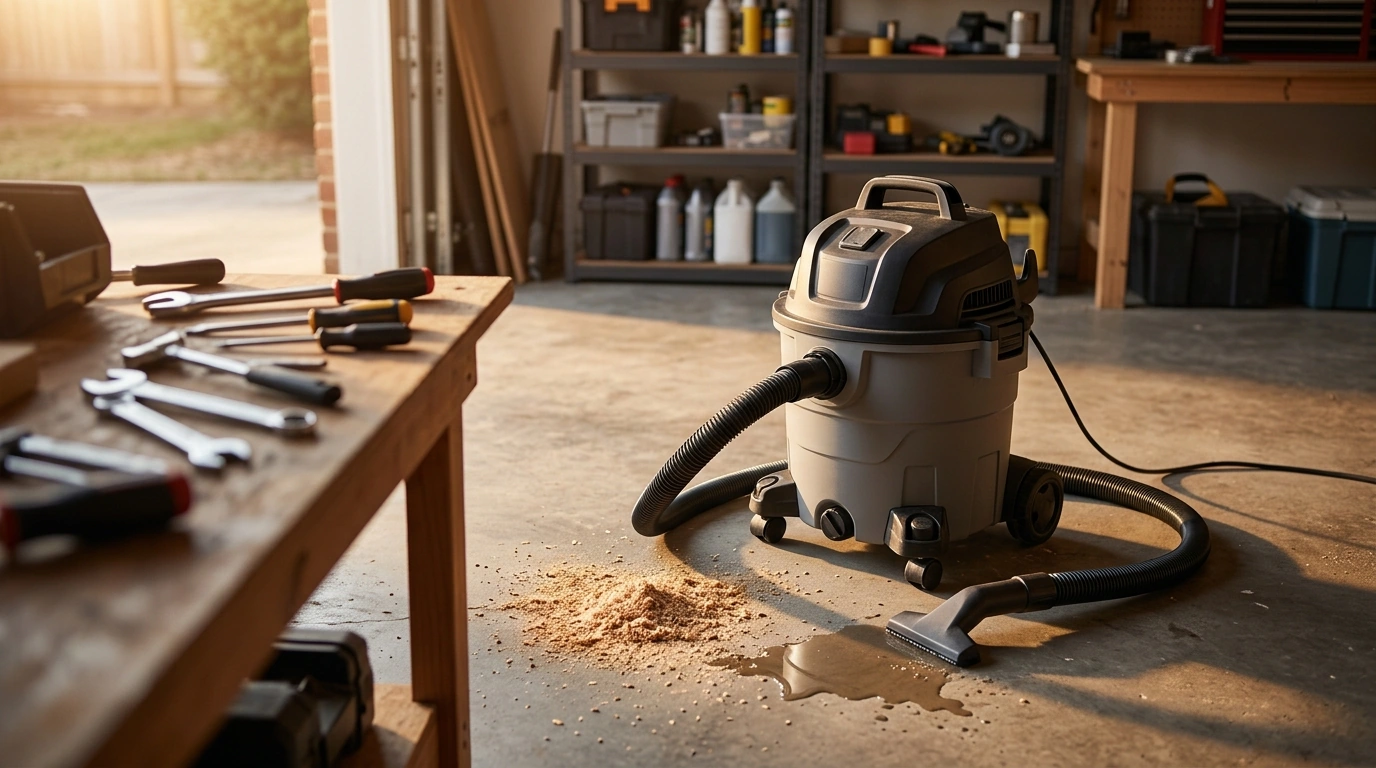
What is the best wet-dry vacuum for home use?
For most homes, a compact wet-dry vacuum with a 4- to 6-gallon tank is a practical choice. It can handle everyday spills, tracked-in dirt, and small cleanup jobs without taking up as much storage space as a large workshop model. The best option for you depends on where you’ll use it and what you need to clean.
Choose a size that fits your cleanup jobs
A compact model is easier to move between rooms and store in a closet or garage. If you regularly clean a workshop, clear larger spills, or tackle renovation debris, consider a larger tank so you can work longer between emptying it. Keep in mind that a bigger vacuum can be heavier and harder to maneuver.
Look beyond suction power
Useful attachments can make a vacuum more versatile. A crevice tool helps with corners and car interiors, while a floor nozzle can make hard-floor cleanup easier. A longer hose and power cord can also reduce how often you need to reposition the machine. If you plan to pick up liquid, choose a model designed for wet pickup and follow its instructions for the correct filter and setup.
Consider noise, storage, and maintenance
For indoor use, think about how loud the vacuum may be and whether you have a convenient place to store it. A tank that is simple to empty and clean makes regular use less of a chore. After wet pickup, empty and dry the tank and any washable components as directed to help prevent lingering odors.
Match the vacuum to your home
A compact canister-style wet-dry vacuum is a sensible all-around pick for occasional household messes. Choose a larger, more rugged model if garage and project cleanup are frequent priorities. For your full comparison of options and features, visit our wet-dry vacuum guide.
FAQ
Can you use a wet-dry vacuum on carpet?
Only use it on carpet if the manufacturer says the vacuum and its attachments are suitable for that surface and type of cleanup. A wet-dry vacuum is not automatically a carpet washer, so follow the product’s instructions and avoid saturating carpet.















Leave a comment