-
Shop
- Advanced Technologies
- Best-Sellers
- Car Accessories
- Dating & Social Skills
- Digital Resources
- Budgeting & Saving
- Emotional Intelligence
- Entrepreneurship & Business Growth
- Financial Independence
- Financial Mindset & Psychology
- Goal Setting
- Leadership
- Mindfulness
- Motivation
- Online Business
- Positive Thinking
- Productivity
- Self Confidence
- Sleep Improvement
- Stress Management & Relaxation
- Yoga & Mind-Body Practices
- Education & Learning
- Family & Parenting
- Fashion
- Alexander McQueen
- Bags
- Bags & Wallets
- Balenciaga
- Belts
- Blazers
- Blouses & Shirts
- Bottega Veneta
- Bottoms
- Brunello Cucinelli
- Burberry
- Chanel
- Chloé
- Dior
- Dolce & Gabbana
- Dresses
- Etro
- Fendi
- Gucci
- Jacquemus
- Jewelry
- Jil Sander
- Keychains
- Kiton
- Luggage
- Luggage Bags
- Miu Miu
- Off-White
- Outerwear
- Prada
- Rick Owens
- Saint Laurent
- Shoes
- Socks & Tights
- The Row
- Tom Ford
- Valentino
- Valentino Garavani
- Versace
- Vivienne Westwood
- Fashion Accessories
- Furniture
- Gadgets
- Guess
- Headphones
- Health & Beauty
- Health & Wellness
- Home & Garden
- Home Supplies
- Kids & Babies
- Kitchen
- Kitchen Best-Sellers
- Lighting
- Patio, Lawn & Garden
- Personal Growth
- Pet Care
- Pet Supplies
- Pets
- Sport & Outdoors
- Super Deals
- TikTok Growth & Monetization Mastery
- Travel
- Wealth
- Popular
- Best deals
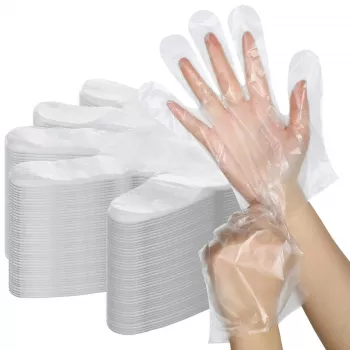
Transparent Waterproof Disposable Gloves for Kitchen Prep
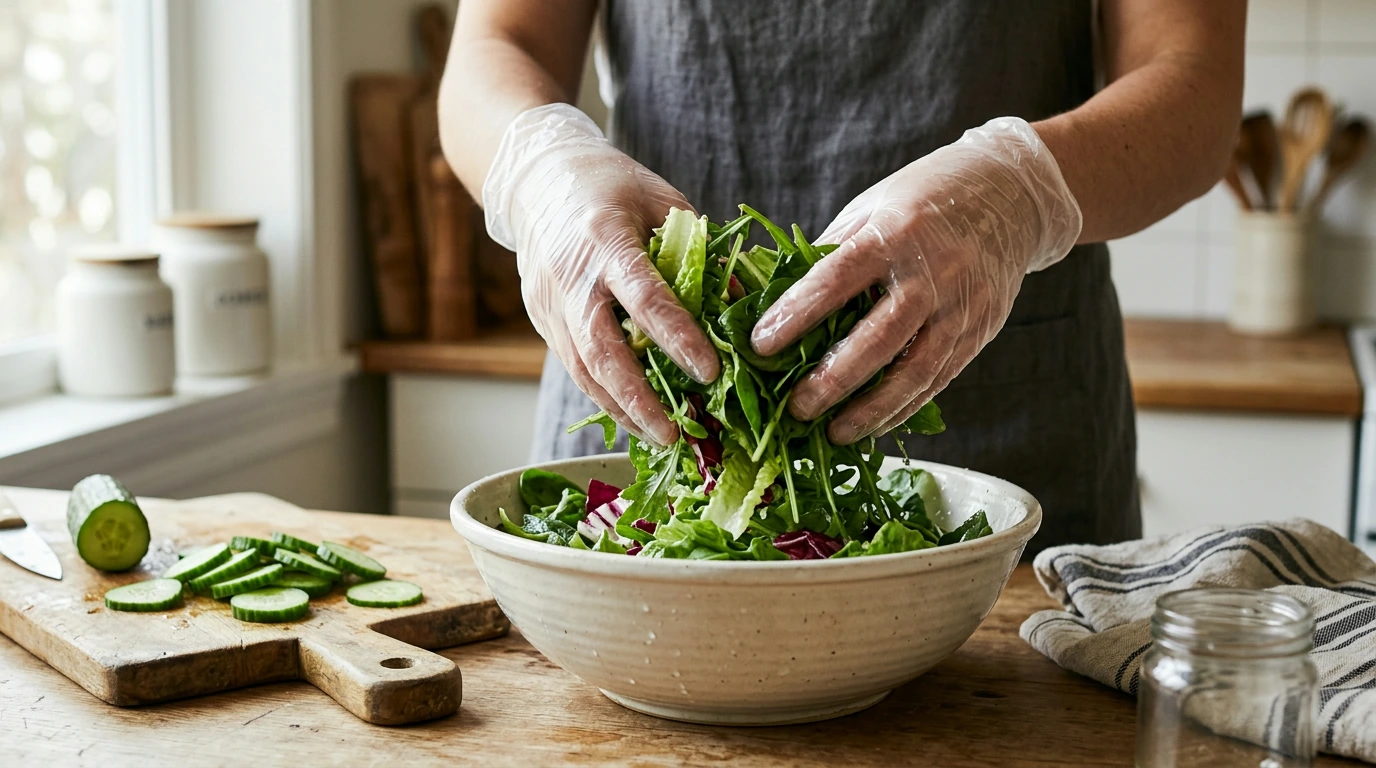
Disposable Plastic Gloves for Quick, Clean Kitchen Moments
Small messes add up fast—seasoning meat, peeling garlic, mixing dough, cleaning sticky spills, or handling trash. Disposable plastic gloves keep hands dry and help reduce cross-contact during everyday kitchen and household routines. Our transparent waterproof kitchen gloves are a simple, budget-friendly staple to keep on hand for cooking, prep, and light cleanup.
Where disposable plastic gloves make life easier
When you’re bouncing between ingredients, utensils, and cleanup, a fast barrier can keep your routine moving. You’ll reach for disposable plastic gloves most often when a task is messy, stain-prone, or better handled without direct skin contact.
- Food prep: handling raw ingredients, mixing marinades, tossing salads, forming patties, and breading
- Messy ingredients: chili oil, turmeric, beets, food coloring, and other stain-prone foods
- Quick cleaning: wiping counters, handling wet trash, and rinsing out containers
- Hair color and light grooming tasks where keeping hands clean matters
- Party and serving setups: assembling sandwiches, fruit cups, or snack trays with less mess
If you want a ready-to-grab option for day-to-day kitchen tasks, keep a pack of Disposable Plastic Gloves – Transparent Waterproof Kitchen Gloves in your main prep area, and you’ll use them more consistently (and waste fewer pairs).
What “transparent” and “waterproof” means for daily use
“Transparent” and “waterproof” sound simple, but they’re genuinely useful features when you’re trying to work quickly and stay cleaner.
- Transparent finish keeps hands visible—helpful when checking for residue during food prep or cleanup.
- Waterproof barrier helps keep hands dry when dealing with wet foods, rinsing, or light washing tasks.
- Disposable design supports fast changes between tasks—especially when moving from raw foods to ready-to-eat items.
- Best for light-to-moderate duty household use; swap to a fresh glove if it gets punctured or stretched.
Quick task guide: when to use disposable plastic gloves
| Task | Why gloves help | Tip for best results |
|---|---|---|
| Handling raw meat or seafood | Helps reduce contact with juices and residue | Change gloves before touching spices, handles, or phones |
| Mixing marinades and sauces | Keeps sticky or oily ingredients off skin | Use a new pair before plating or serving |
| Chopping stain-prone foods (beets, turmeric) | Helps prevent staining | Wash produce first; replace gloves if torn |
| Cleaning small spills | Keeps hands dry and cleaner | Dispose after wiping; wash hands afterward |
| Taking out wet trash | Adds a barrier against moisture and grime | Double-check for punctures if handling sharp items |
How to use disposable kitchen gloves well (without wasting them)
Disposable gloves are at their best when you treat them like a quick, single-task tool. A few small habits help you use fewer pairs while staying cleaner.
- Start with dry hands for easier on/off and a better fit.
- Keep a small stack near prep zones so glove changes feel routine instead of inconvenient.
- Avoid sharp tools and edges (knives, graters, open cans) that can puncture thin plastic.
- Remove safely: peel from the wrist, turning the glove inside-out; discard and wash hands.
- Pair with good hygiene: gloves are a barrier, not a replacement for handwashing.
For a clear refresher on proper handwashing steps and timing, the CDC guidance is a solid reference: CDC — When and How to Wash Your Hands.
Kitchen safety habits that pair well with gloves
Gloves help, but your overall workflow is what prevents cross-contact. If you cook for family, roommates, or guests, these habits keep your kitchen calmer and safer.
- Separate zones: dedicate one area for raw prep and another for ready-to-eat foods.
- Use clean utensils and boards: gloves help, but cross-contact can still happen via tools and surfaces.
- Change gloves at key moments: after handling raw foods, after touching trash, and before serving.
- Keep a hand soap and towel routine: wash hands before gloves and after glove removal.
If you want more detail on preventing cross-contamination at home, these are reliable baselines: USDA FSIS — Preventing Cross-Contamination and FDA — Food Safety Basics.
A simple restock plan for busy kitchens and shared homes
Disposable gloves are most useful when they’re exactly where you need them. A small restock plan helps you avoid the “we ran out right when we needed them” problem.
- Store gloves in a dry drawer or pantry shelf away from heat and direct sunlight.
- Place a small backup pack near high-mess stations (sink, trash area, pet food area).
- If multiple people cook, keep a visible spot for gloves so it’s easy to change pairs between tasks.
- If you run out quickly, track your top two glove tasks and keep an extra pack on hand.
And if your “messy tasks” extend beyond the kitchen—spray paint touch-ups, crafting, or small furniture projects—pairing gloves with a contained work area can cut cleanup time. Our team often recommends setting up with the Spray Shelter for Furniture & Craft Projects when you want overspray control while keeping hands cleaner.
FAQ
Are disposable plastic gloves safe for handling food?
Many disposable gloves are commonly used for food handling, but safety depends on how you use them: start with clean hands, change gloves between raw and ready-to-eat foods, and avoid touching non-food surfaces while cooking. Gloves help reduce direct contact, but they work best alongside good handwashing and smart kitchen workflow.
Can disposable plastic gloves be used for washing dishes?
They can help for quick rinsing or light wet tasks, but thin disposable plastic isn’t ideal for prolonged hot-water dishwashing or heavy scrubbing. If water gets inside or a glove tears, switch to a fresh pair and continue with clean hands.
How often should gloves be changed during cooking?
Change gloves after handling raw meat, seafood, or eggs; after touching trash; after cleaning; after using your phone or touching door handles; and anytime a glove tears or feels contaminated. After removing gloves, wash your hands before moving on.













Leave a comment