Spray Shelter Setup for Cleaner Furniture & Craft Painting
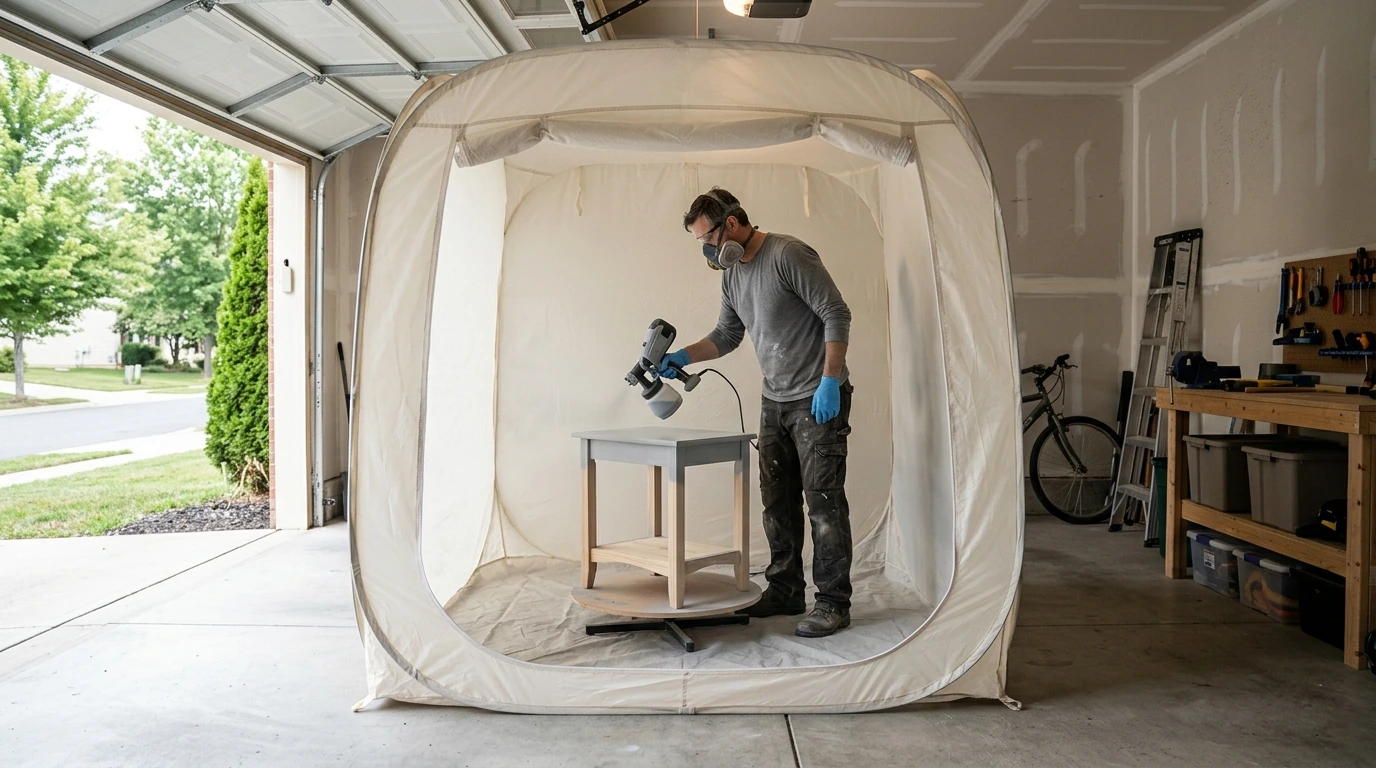
Spray Shelter for Furniture & Craft Projects
Overspray and drifting paint can turn a simple refresh into a cleanup job. A spray shelter creates a controlled zone for painting and finishing furniture and craft pieces—helping protect nearby surfaces, improve results, and streamline setup whether working in a garage, driveway, or workshop. It’s a practical way to keep paint mist from traveling, while still giving you the space to move around your project and maintain a consistent spray pattern.
What a Spray Shelter Does (and What It Doesn’t)
A spray shelter is designed to make spraying less messy and more predictable, especially for small-to-medium pieces and repeat projects. It’s not a sealed paint booth, but it can dramatically reduce how far overspray drifts.
- Creates a contained area to help catch overspray and reduce paint mist spreading to floors, walls, and nearby items
- Provides a visual boundary that keeps tools, parts, and pieces organized during priming, painting, staining, or sealing
- Helps support more consistent coats by limiting cross-breezes that can cause dry spray and uneven texture
- Does not replace proper ventilation—solvents and aerosols still need fresh air exchange
- Does not eliminate the need for personal protective gear when using spray paint, lacquer, or solvent-based finishes
Spray Shelter vs. Common Alternatives
| Option | Best for | Pros | Trade-offs |
|---|---|---|---|
| Spray shelter | Furniture parts, small-to-medium crafts, touch-ups | Reduced overspray spread; quick setup; dedicated workspace | Still needs ventilation; size limits for large pieces |
| Drop cloth + cardboard backer | Small quick jobs | Low cost; easy to find materials | Less containment; more cleanup; inconsistent barrier |
| DIY plastic sheeting booth | Larger pieces; repeated use | Custom size; good containment when sealed | More time to build; storage and disposal hassles |
| Outdoor open-air spraying | Fast jobs with good weather | Maximum ventilation | Wind/dust issues; overspray can travel; weather-dependent |
When a Spray Shelter Helps Most
Not every project demands a dedicated shelter, but certain jobs benefit immediately—especially where paint control and clean edges matter.
- Painting chair legs, table bases, cabinet doors, drawers, frames, and decor where overspray control matters
- Priming and topcoating with rattle cans or handheld sprayers on smaller furniture components
- Sealing craft projects (wood, resin pieces, DIY signs) that benefit from a cleaner, less dusty environment
- Apartment, townhouse, or shared-garage situations where protecting surrounding areas is a priority
- Workflows where quick setup and teardown saves time between coats
A shelter is also handy when spraying multiple parts in batches. You can stage pieces in the same area, keep your can or sprayer nearby, and reduce the chance of brushing against wet paint while moving items around.
Key Features to Look For
- Size and access: Enough room to rotate the piece and keep the nozzle distance consistent without hitting walls
- Stability: Structure that resists tipping when moving around or when a light breeze hits
- Surface protection: Base or integrated floor area to catch drips and reduce tracking paint onto surrounding floors
- Visibility: Lighter interior surfaces make it easier to spot dry areas, runs, and coverage gaps
- Portability and storage: Foldable design and manageable weight for carrying and storing between projects
- Easy cleanup: Materials that wipe down or allow overspray buildup without tearing or shedding
For furniture refinishing, access is often the difference between a smooth finish and accidental smudges. If you can’t comfortably reach the back edge of a drawer front or rotate a chair leg, you’ll end up handling the piece mid-coat—exactly when fingerprints and bump marks happen.
Setup Tips for Cleaner Results
Safety and Ventilation Essentials
For deeper guidance on respiratory programs and proper protection, review OSHA’s respiratory protection standard (29 CFR 1910.134) and NIOSH’s PPE resources (NIOSH PPE).
Product Spotlight: Spray Shelter for Furniture & Craft Projects
If painting furniture parts or craft pieces is a repeat activity, a dedicated shelter makes it easier to set up quickly and keep the surrounding area cleaner between coats. The Spray Shelter for Furniture & Craft Projects is built for that purpose—creating a dedicated zone for spraying while keeping tools and parts visually contained.
To keep hands cleaner while sanding, wiping down tacky surfaces, or handling freshly painted parts, add a box of Disposable Black Nitrile Gloves – Versatile Household and Beauty Tools. Gloves are especially helpful when using solvent-based products where skin contact should be minimized.
Quick Specs Snapshot
| Item | What to check before buying | Why it matters |
|---|---|---|
| Shelter footprint | Will it fit the intended workspace (garage bay, patio, driveway)? | Prevents cramped spraying and accidental contact with wet paint |
| Opening size | Can the project be moved in/out easily? | Reduces smudges and bump marks during handling |
| Storage method | Fold/pack size and where it will live between uses | Encourages repeated use instead of improvised setups |
FAQ
Can a spray shelter be used indoors?
It can help protect nearby surfaces, but it doesn’t make indoor spraying automatically safe. Follow product label directions, use proper respiratory protection, and avoid spraying in enclosed spaces without adequate ventilation and fresh air exchange.
How do you keep dust and bugs out while paint dries?
Place the shelter away from open doors, foot traffic, and windy areas, and let the piece flash off before moving it. The shelter can act as a barrier, but full isolation from dust and insects typically requires a more sealed booth setup.
What size spray shelter is best for furniture projects?
Choose a size based on your largest piece, plus extra room to rotate it and maintain consistent spray distance. For cabinet doors and drawers, smaller shelters can work well, while chairs and table bases usually require more clearance for access and repositioning.













Leave a comment