-
Shop
- Advanced Technologies
- Best-Sellers
- Car Accessories
- Dating & Social Skills
- Digital Resources
- Budgeting & Saving
- Emotional Intelligence
- Entrepreneurship & Business Growth
- Financial Independence
- Financial Mindset & Psychology
- Goal Setting
- Leadership
- Mindfulness
- Motivation
- Online Business
- Positive Thinking
- Productivity
- Self Confidence
- Sleep Improvement
- Stress Management & Relaxation
- Yoga & Mind-Body Practices
- Education & Learning
- Family & Parenting
- Fashion
- Alexander McQueen
- Bags
- Bags & Wallets
- Balenciaga
- Belts
- Blazers
- Blouses & Shirts
- Bottega Veneta
- Bottoms
- Brunello Cucinelli
- Burberry
- Chanel
- Chloé
- Dior
- Dolce & Gabbana
- Dresses
- Etro
- Fendi
- Gucci
- Jacquemus
- Jewelry
- Jil Sander
- Keychains
- Kiton
- Luggage
- Luggage Bags
- Miu Miu
- Off-White
- Outerwear
- Prada
- Rick Owens
- Saint Laurent
- Shoes
- Socks & Tights
- The Row
- Tom Ford
- Valentino
- Valentino Garavani
- Versace
- Vivienne Westwood
- Fashion Accessories
- Furniture
- Gadgets
- Guess
- Headphones
- Health & Beauty
- Health & Wellness
- Home & Garden
- Home Supplies
- Kids & Babies
- Kitchen
- Kitchen Best-Sellers
- Lighting
- Patio, Lawn & Garden
- Personal Growth
- Pet Care
- Pet Supplies
- Pets
- Sport & Outdoors
- Super Deals
- TikTok Growth & Monetization Mastery
- Travel
- Wealth
- Popular
- Best deals
Packable Folding Gas Stove for Quick Trail Meals
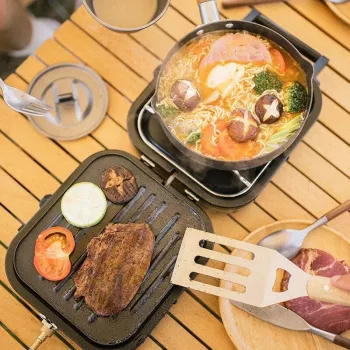
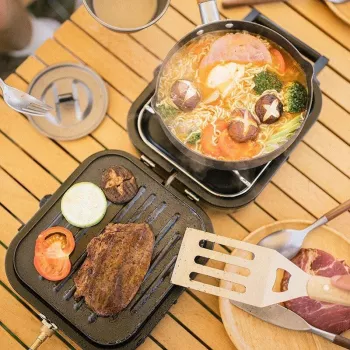
Compact Folding Outdoor Gas Stove for Fast, Packable Trail Cooking
A compact folding gas stove can turn a quick break into a hot meal with minimal pack space. The appeal is simple: fold it down, tuck it into a cook pot or pouch, and you’re ready to boil water or warm up dinner without hauling a bulky kitchen. The details matter, though—especially stability, wind performance, fuel compatibility, and safe setup—so meals stay straightforward whether camping, hiking, fishing, tailgating, or building out an emergency kit.
What makes a folding gas stove worth packing
The best folding stoves earn their spot by saving space without feeling fragile when a pot is on top. A fold-flat design is ideal for keeping your cook kit tidy, and it also helps protect pot supports from bending during transport.
- Fold-flat storage: Packs neatly into a pot, mug, or compact pouch, which keeps small gear from rattling around.
- Locking support arms: Pot supports should open confidently and stay put, creating a stable cooking platform on uneven ground.
- Useful flame control: Smooth adjustment makes it easier to go from a fast boil to a low simmer for oatmeal, ramen, or rice sides.
- Fast setup: Fewer separate parts reduces the chance of losing something in sand, leaves, or snow.
- Compact footprint: Works well for solo trips, day hikes, and “just in case” kits where space is limited.
Compact Folding Outdoor Gas Stove: overview and best uses
A folding stove shines when the plan is simple trail cooking: boil water, rehydrate meals, or make easy one-pot food. It’s a practical tool for hot drinks, quick breakfasts, and no-fuss dinners—especially when time, weather, or daylight pushes you toward efficiency.
For a packable option built around that use case, see the Compact Folding Outdoor Gas Stove for compact storage and on-demand cooking.
- Boils water for coffee, tea, freeze-dried meals, and instant soups.
- Handles quick cook tasks like ramen, oatmeal, or warming canned food (always transfer to a pot).
- Fits camping, hiking, fishing trips, tailgating, and emergency preparedness.
- Folding structure helps protect pot supports during transport and reduces snagging in your pack.
- Pairs well with lightweight cookware and a windscreen when conditions allow.
At-a-glance buying checklist
| Consideration | Why it matters | What to look for |
|---|---|---|
| Packed size | Saves space and reduces snagging | Foldable arms and a compact storage profile |
| Stability | Prevents spills and tip-overs | Wide, secure pot supports; steady base |
| Flame control | Improves cooking quality and fuel use | Adjustable valve for low-to-high output |
| Wind performance | Reduces boil time and fuel waste | Compatible with a windscreen; sheltered burner design |
| Fuel compatibility | Determines availability and convenience | Clear support for common backpacking gas canisters (per listing/specs) |
| Ease of use | Fewer mistakes in cold or low light | Simple ignition/connection steps and secure fittings |
Setup basics and safe operation outdoors
A compact stove is only “easy” when it’s used on a safe surface with good habits. Small stoves can tip if the ground is sloped, the pot is oversized, or the handle weight pulls to one side.
- Pick a stable, level spot: Avoid placing the stove directly on dry grass, duff, or flammable debris; use bare dirt, rock, or a stable stove-safe surface.
- Give it space: Keep loose gear, sleeves, and packaging away from the flame zone.
- Connect fuel carefully: Thread and seat the canister connection firmly per the stove and fuel instructions; confirm a solid seal before lighting.
- Light low, then adjust: Start at a low flame and increase gradually to prevent flare-ups and reduce the chance of bumping a pot off balance.
- Never cook in enclosed spaces: Do not use a gas stove inside tents, vehicles, or enclosed shelters. For carbon monoxide risk awareness, review guidance from the CDC.
Fire conditions can change quickly. Follow posted restrictions and local rules; the National Park Service offers helpful, broadly applicable fire safety reminders.
Performance factors in real conditions (wind, cold, cookware)
Backyard boil times don’t always match what happens at a breezy overlook or a frosty trailhead. A few smart adjustments can keep cooking predictable.
- Wind: Wind can dramatically reduce efficiency. Use natural windbreaks (a boulder, a stump, terrain features) and keep the burner sheltered. If using a windscreen, do so carefully so heat doesn’t trap and overheat the fuel canister.
- Cold: Low temperatures reduce canister pressure and can weaken the flame. Keep the canister off snow/ice with a small pad, and warm it gently with ambient heat (hands, a jacket pocket before use). Never warm a canister with open flame.
- Cookware match: Stability improves when the pot base fits the span of the supports. A tall, narrow pot can be efficient for boiling, but it’s easier to tip—especially if you stir aggressively.
- Use a lid: A lid reduces boil time and saves fuel. Heat-exchanger pots can further boost efficiency when every gram of fuel matters.
- Simmer practice: Simmering requires fine valve control; testing at home helps prevent scorched meals on the trail.
Care, packing, and longevity
Small stoves last longer when they’re kept clean and packed to avoid crushing the pot supports or damaging connection threads.
When a compact folding stove is the right choice (and when it isn’t)
Simple trail comforts to pair with a compact stove
- Guess Women’s Printed T-Shirt with Round Neck for an easy, packable extra layer to keep camp time comfortable.
- Compact Folding Outdoor Gas Stove as a compact core piece for quick boils and simple meals.
FAQ
What is a good compact folding chair for travel?
A good compact folding chair balances a small packed size with a sturdy frame (often aluminum), a realistic weight rating, and stable feet that won’t sink into soft ground. For rest stops that include hot drinks or meals, pairing a compact chair with a small cook kit can make short breaks noticeably more comfortable.










Leave a comment