-
Shop
- Advanced Technologies
- Best-Sellers
- Car Accessories
- Dating & Social Skills
- Digital Resources
- Budgeting & Saving
- Emotional Intelligence
- Entrepreneurship & Business Growth
- Financial Independence
- Financial Mindset & Psychology
- Goal Setting
- Leadership
- Mindfulness
- Motivation
- Online Business
- Positive Thinking
- Productivity
- Self Confidence
- Sleep Improvement
- Stress Management & Relaxation
- Yoga & Mind-Body Practices
- Education & Learning
- Family & Parenting
- Fashion
- Alexander McQueen
- Bags
- Bags & Wallets
- Balenciaga
- Belts
- Blazers
- Blouses & Shirts
- Bottega Veneta
- Bottoms
- Brunello Cucinelli
- Burberry
- Chanel
- Chloé
- Dior
- Dolce & Gabbana
- Dresses
- Etro
- Fendi
- Gucci
- Jacquemus
- Jewelry
- Jil Sander
- Keychains
- Kiton
- Luggage
- Luggage Bags
- Miu Miu
- Off-White
- Outerwear
- Prada
- Rick Owens
- Saint Laurent
- Shoes
- Socks & Tights
- The Row
- Tom Ford
- Valentino
- Valentino Garavani
- Versace
- Vivienne Westwood
- Fashion Accessories
- Furniture
- Gadgets
- Guess
- Headphones
- Health & Beauty
- Health & Wellness
- Home & Garden
- Home Supplies
- Kids & Babies
- Kitchen
- Kitchen Best-Sellers
- Lighting
- Patio, Lawn & Garden
- Personal Growth
- Pet Care
- Pet Supplies
- Pets
- Sport & Outdoors
- Super Deals
- TikTok Growth & Monetization Mastery
- Travel
- Wealth
- Popular
- Best deals
Black Nitrile Gloves: Mess-Free Cleaning & Beauty Tasks
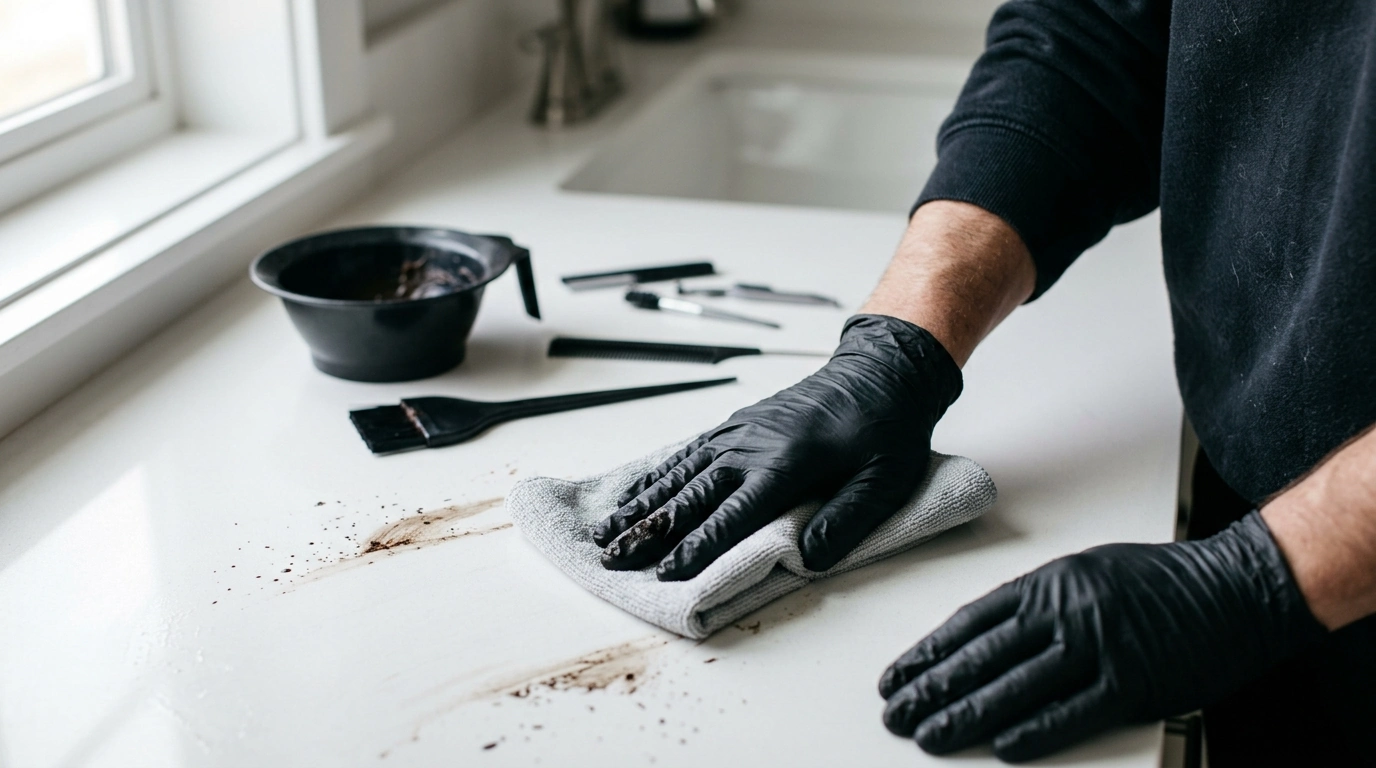
Disposable Black Nitrile Gloves for Clean, Precise Household and Beauty Work
Disposable black nitrile gloves make it easier to keep hands protected and work areas cleaner when dealing with dyes, cleaners, oils, and everyday messes. Built for single-use convenience, they’re a practical choice for household cleaning, grooming, and beauty routines where grip, dexterity, and a tidy finish matter—especially when switching between tasks and wanting to avoid transferring residue.
What Makes Nitrile Gloves a Practical Everyday Tool
Nitrile is widely used for disposable gloves because it balances flexibility with strength. For many at-home jobs, that combination helps reduce accidental contact with grime and product buildup while keeping finger control for detailed work.
- Resists many oils and cleaners: Nitrile typically holds up better than common disposable alternatives when exposed to household chemicals and greasy residues.
- Black color hides stains: Hair dye, nail polish, charcoal masks, and automotive grime are less visually distracting on black gloves, so hands look cleaner while you work.
- Dexterity for precise tasks: Thin, flexible material supports touch sensitivity for tweezing, nail cleanup, or wiping tight corners.
- Single-use hygiene: Swapping to a fresh pair between cleaning, beauty, and food-related tasks can help reduce cross-contamination.
For a reliable, multipurpose option, consider Disposable Black Nitrile Gloves – Versatile Household and Beauty Tools for quick changes between messy steps and cleaner finishes.
Where They Shine: Household Uses
Some chores are too small for bulky reusable gloves but too messy to do bare-handed. Disposable nitrile gloves fill that gap—especially for short jobs where you want protection without extra cleanup afterward.
- Bathroom and kitchen cleaning: Useful when handling sprays, degreasers, and scrub pads to reduce skin contact with residues.
- Dishwashing and sink cleanups: Handy for quick, grimy jobs like clearing a drain trap, wiping a disposal splash guard, or cleaning out a sponge holder.
- Pet care: Convenient for litter box changes, accident cleanup, and handling pet grooming products.
- DIY and garage tasks: Helps protect hands from oils, lubricants, adhesives, and light paint work—swap gloves as they soil for better grip.
Beauty and Grooming Uses That Benefit from Gloves
Beauty routines often involve pigments, solvents, and strong actives—exactly the kind of products that can stain skin or linger under nails. Black nitrile gloves keep hands cleaner while giving steady control over tools and applicators.
- Hair coloring and bleaching: Reduces staining on hands and helps keep product where it belongs. Black gloves also disguise dye marks during longer sessions.
- Self-tanning and body products: Helps prevent uneven palms and keeps mitts or sponges cleaner between passes.
- Nail services: Supports cleaner polish removal and gel cleanup while handling acetone-soaked cotton with less skin exposure.
- Skincare routines: Useful when applying masks or exfoliants that can irritate sensitive skin; discard after use.
- Brow tinting and detailed grooming: Improved grip and control when working with small tools and precision angles.
Fit, Comfort, and Safe Use Basics
Disposable gloves work best when they fit correctly and are treated as a replaceable barrier—not a “set and forget” item.
- Choose a snug size: Too loose reduces control and can catch on tools; too tight may tear or cause hand fatigue.
- Put them on dry hands: Moisture can make gloves harder to don and may increase tearing during adjustment.
- Replace often: Switch gloves when torn, heavily soiled, or when moving from one task type to another.
- Avoid heat and open flames: Disposable nitrile gloves are not designed for high-heat handling.
- Check labels for limitations: Product instructions matter, especially around chemical exposure time and potential sensitivities.
For broader safety context, review guidance from OSHA on personal protective equipment and NIOSH on skin exposures.
Task Guide: When to Use Gloves and When to Swap
The simplest habit that keeps gloves effective is changing them at the right moment. If you notice slickness, residue transfer, or a tear starting, it’s time for a new pair.
Quick Glove-Change Guide for Common Tasks
| Task | Why gloves help | When to change |
|---|---|---|
| Hair dye application | Reduces staining and limits chemical contact | After application and before cleanup |
| Bathroom scrubbing | Helps protect skin from cleaners and grime | If torn or after heavy scrubbing |
| Self-tanner application | Prevents stained palms and uneven color | Between body sections if product builds up |
| Pet accident cleanup | Improves hygiene and reduces direct contact | Immediately after cleanup |
| Greasy kitchen degreasing | Reduces oil transfer and improves grip | When gloves become slick or heavily soiled |
Care, Storage, and Disposal
- Store cool and dry: Keep away from direct sunlight to reduce breakdown and brittleness.
- Keep packaging closed: Limits dust and moisture exposure so gloves stay easier to grab and don.
- Dispose after use: Toss in regular household waste unless local rules require otherwise (for example, chemical contamination).
- Wash hands after removal: Gloves reduce exposure but don’t replace hygiene; the CDC hand hygiene guidance is a helpful reference for effective hand cleaning.
A Simple Setup for Messy Projects
For spray-heavy crafts or refinishing, a controlled workspace helps a lot—pair gloves with Spray Shelter for Furniture & Craft Projects to limit overspray and keep surrounding surfaces cleaner.
FAQ
Are nitrile gloves safe for people with latex allergies?
Nitrile gloves are generally latex-free and commonly chosen as an alternative for people who avoid natural rubber latex. If you’re highly sensitive, check the packaging for allergen details and information about chemical accelerators.
Can disposable nitrile gloves be used for cleaning with household chemicals?
Nitrile offers good resistance to many household cleaners, but protection depends on the specific chemical and how long it contacts the glove. Follow the cleaner label directions, ventilate the area, and replace gloves if they become sticky, soft, or damaged.
How do disposable nitrile gloves compare to vinyl for beauty tasks like hair dye?
Nitrile typically provides better puncture resistance and grip than vinyl, which can be helpful during longer dye sessions or when handling clips, foils, and brushes. That added durability can reduce mid-task tearing and keep application more controlled.















Leave a comment