-
Shop
- Advanced Technologies
- Best-Sellers
- Car Accessories
- Dating & Social Skills
- Digital Resources
- Budgeting & Saving
- Emotional Intelligence
- Entrepreneurship & Business Growth
- Financial Independence
- Financial Mindset & Psychology
- Goal Setting
- Leadership
- Mindfulness
- Motivation
- Online Business
- Positive Thinking
- Productivity
- Self Confidence
- Sleep Improvement
- Stress Management & Relaxation
- Yoga & Mind-Body Practices
- Education & Learning
- Family & Parenting
- Fashion
- Alexander McQueen
- Bags
- Bags & Wallets
- Balenciaga
- Belts
- Blazers
- Blouses & Shirts
- Bottega Veneta
- Bottoms
- Brunello Cucinelli
- Burberry
- Chanel
- Chloé
- Dior
- Dolce & Gabbana
- Dresses
- Etro
- Fendi
- Gucci
- Jacquemus
- Jewelry
- Jil Sander
- Keychains
- Kiton
- Luggage
- Luggage Bags
- Miu Miu
- Off-White
- Outerwear
- Prada
- Rick Owens
- Saint Laurent
- Shoes
- Socks & Tights
- The Row
- Tom Ford
- Valentino
- Valentino Garavani
- Versace
- Vivienne Westwood
- Fashion Accessories
- Furniture
- Gadgets
- Guess
- Headphones
- Health & Beauty
- Health & Wellness
- Home & Garden
- Home Supplies
- Kids & Babies
- Kitchen
- Kitchen Best-Sellers
- Lighting
- Patio, Lawn & Garden
- Personal Growth
- Pet Care
- Pet Supplies
- Pets
- Sport & Outdoors
- Super Deals
- TikTok Growth & Monetization Mastery
- Travel
- Wealth
- Popular
- Best deals
Are Porcelain Vases Worth Anything? A Value Guide
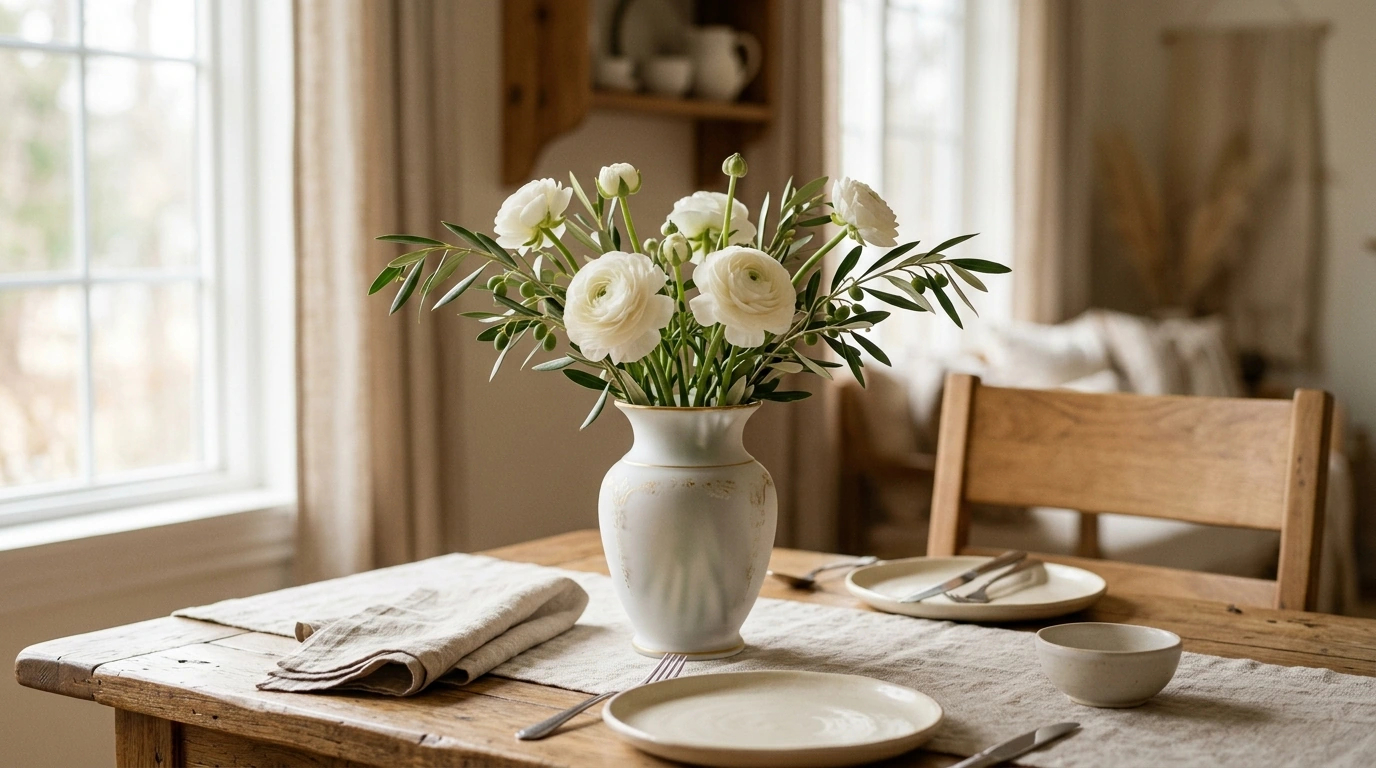
Are porcelain vases worth anything?
Yes, porcelain vases can have value, but that value varies widely. A decorative vase may be worth a modest amount, while a rare piece from a sought-after maker can command much more. Age alone does not guarantee a high price, and a beautiful vase can be worth keeping even if its resale value is modest.
Whether you are considering a purchase or looking at a vase you already own, we recommend starting with its maker, condition, design, and likely market. These details offer a more useful picture than an asking price by itself.
What affects a porcelain vase’s value?
Maker and origin
A recognizable maker’s mark can help identify a vase and connect it to a particular factory or artist. Marks may appear on the base, but their presence does not automatically prove age or authenticity. Some marks have been copied or used across many production periods.
Condition
Chips, cracks, repairs, and worn decoration can reduce resale value. Inspect the rim, handles, base, and any raised details carefully. Restoration may make a vase attractive again, but an undisclosed or poorly executed repair can matter to buyers.
Rarity and demand
Unusual shapes, limited production, and desirable decoration can increase interest. However, rarity is most meaningful when collectors also want the piece. A common vase in a popular style may sell more readily than an obscure one.
How can you estimate what your vase might sell for?
Compare it with completed sales of similar vases, paying attention to the maker, dimensions, decoration, and condition. Active listings show what sellers are asking, not necessarily what buyers will pay. If you suspect your vase is valuable, a qualified appraiser can provide a more informed assessment.
Is a decorative porcelain vase a worthwhile purchase?
It can be, especially when you choose it for the color, finish, and shape you will enjoy. A vase does not need to be a collectible to give a room character. For styling ideas, explore our guide to gilt frosted porcelain vases for home, office, and wedding decor.
For fresh flowers, make sure the vase holds water securely. If its interior is unglazed, damaged, or uncertain, place a watertight container inside to protect the surface beneath it.
FAQ
How should you clean a porcelain vase?
Dust it with a soft cloth, or gently wipe it with a damp cloth and mild soap when needed. Avoid abrasive cleaners and prolonged soaking, particularly on pieces with gilding or delicate decoration.











Leave a comment