-
Shop
- Advanced Technologies
- Best-Sellers
- Car Accessories
- Dating & Social Skills
- Digital Resources
- Budgeting & Saving
- Emotional Intelligence
- Entrepreneurship & Business Growth
- Financial Independence
- Financial Mindset & Psychology
- Goal Setting
- Leadership
- Mindfulness
- Motivation
- Online Business
- Positive Thinking
- Productivity
- Self Confidence
- Sleep Improvement
- Stress Management & Relaxation
- Yoga & Mind-Body Practices
- Education & Learning
- Family & Parenting
- Fashion
- Alexander McQueen
- Bags
- Bags & Wallets
- Balenciaga
- Belts
- Blazers
- Blouses & Shirts
- Bottega Veneta
- Bottoms
- Brunello Cucinelli
- Burberry
- Chanel
- Chloé
- Dior
- Dolce & Gabbana
- Dresses
- Etro
- Fendi
- Gucci
- Jacquemus
- Jewelry
- Jil Sander
- Keychains
- Kiton
- Luggage
- Luggage Bags
- Miu Miu
- Off-White
- Outerwear
- Prada
- Rick Owens
- Saint Laurent
- Shoes
- Socks & Tights
- The Row
- Tom Ford
- Valentino
- Valentino Garavani
- Versace
- Vivienne Westwood
- Fashion Accessories
- Furniture
- Gadgets
- Guess
- Headphones
- Health & Beauty
- Health & Wellness
- Home & Garden
- Home Supplies
- Kids & Babies
- Kitchen
- Kitchen Best-Sellers
- Lighting
- Patio, Lawn & Garden
- Personal Growth
- Pet Care
- Pet Supplies
- Pets
- Sport & Outdoors
- Super Deals
- TikTok Growth & Monetization Mastery
- Travel
- Wealth
- Popular
- Best deals
Decorating Styles Explained: From Modern to Boho
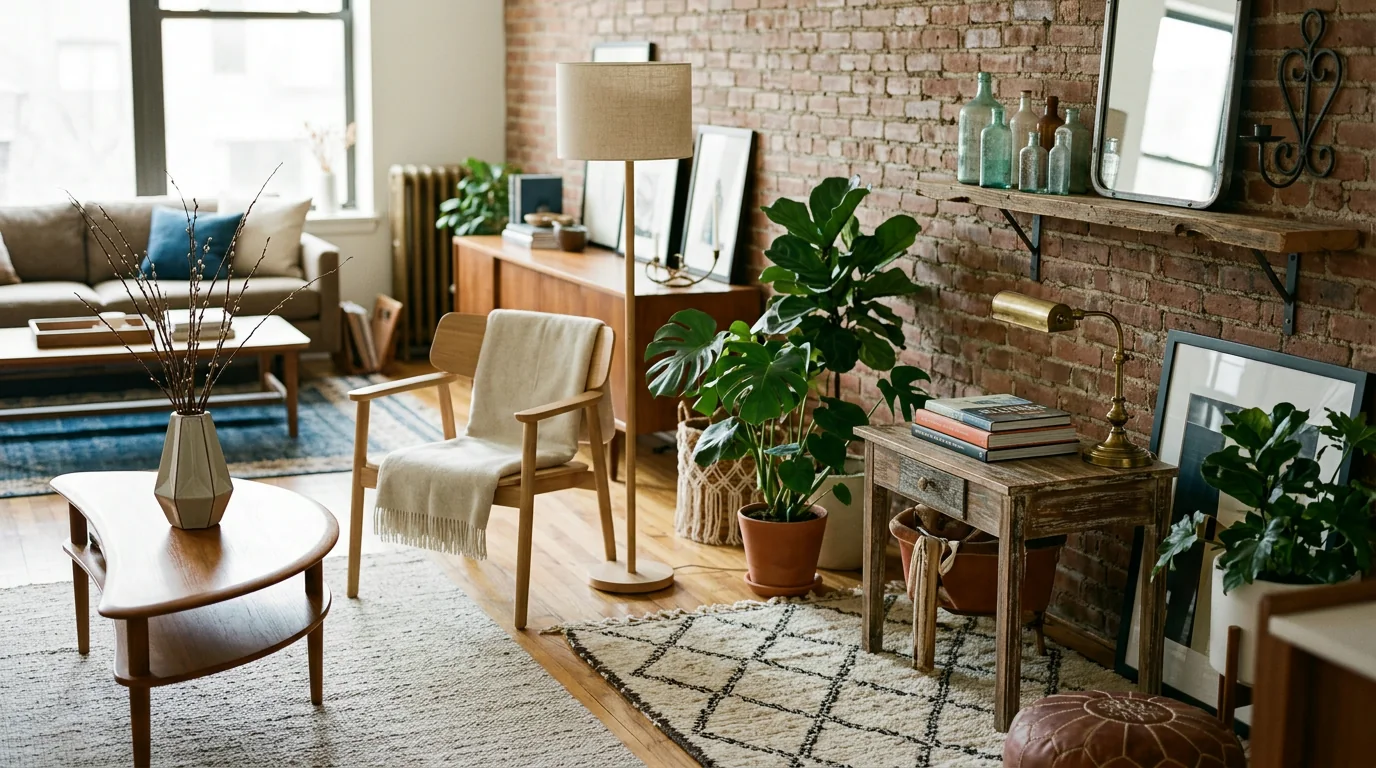
What are different decorating styles called?
Decorating styles have names such as modern, traditional, farmhouse, bohemian, Scandinavian, and industrial. Each describes a recognizable mix of furniture shapes, materials, colors, and decorative details. You do not have to follow one style strictly: our team recommends starting with the looks that feel comfortable to you, then combining pieces that work together.
Which decorating styles favor clean lines?
Modern decor emphasizes simple forms, functional furniture, and a restrained palette. Contemporary decor reflects current design preferences and can be more fluid, incorporating updated shapes and materials.
Minimalist spaces pare furnishings and accessories back to the essentials. Scandinavian style shares that simplicity but often adds pale wood, soft textiles, and cozy accents. For either look, choose useful pieces with uncomplicated silhouettes and add texture through a throw, rug, or woven basket.
Which styles feel classic or relaxed?
Traditional decorating draws on classic furniture, balanced arrangements, and details such as wood trim and patterned upholstery. Transitional style blends traditional warmth with cleaner, more modern lines, making it an approachable choice if you like both.
Farmhouse style favors welcoming rooms, practical furnishings, and rustic finishes. Coastal decor creates an airy mood with light colors, natural fibers, and relaxed fabrics. You can suggest either style with a few accents rather than giving the whole room a themed makeover.
Which styles make a bolder statement?
Bohemian, or boho, decor layers patterns, colors, and collected-looking objects for an informal feel. Eclectic rooms also mix influences, but often connect contrasting pieces through a repeated color, material, or shape.
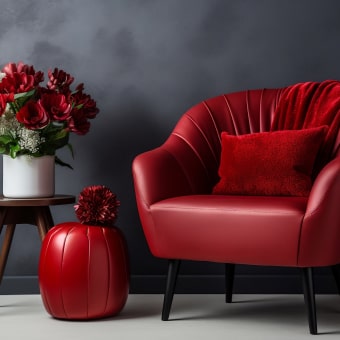
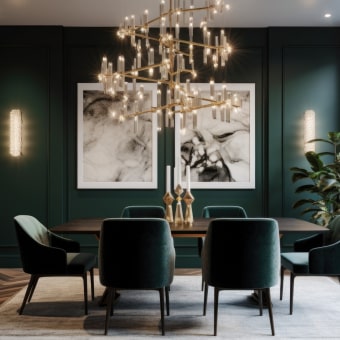
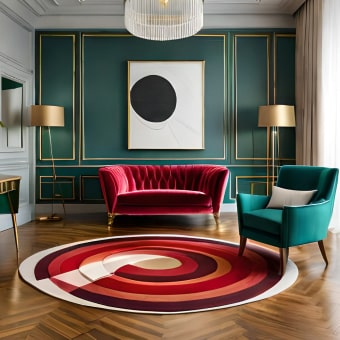
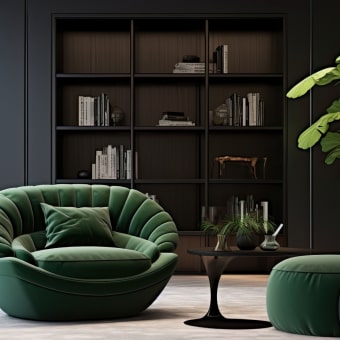
Industrial style uses materials such as metal, brick, and unfinished-looking wood. Mid-century modern is known for streamlined furniture, tapered legs, and organic shapes. Art Deco brings in geometric patterns, rich colors, and glamorous finishes.
How do you choose a style for your home?
Start with the furniture you already enjoy and notice its shapes and materials. Then select a color palette and add a few complementary accents. We find that repeating a finish or color across the room helps different styles feel intentional. Explore our home decor styles guide for more ideas to help you find your aesthetic.
FAQ
Can you mix decorating styles in one room?
Yes. Choose one style as the foundation, then bring in elements from another through furniture, lighting, or accessories. A consistent palette or repeated material can tie the mix together.
Recommended for you
Current Decorating Styles: Find Your Perfect Look
Nov 14, 2026
How to Find Your Decorating Style: A Practical Guide
Nov 14, 2026








Leave a comment