-
Shop
- Advanced Technologies
- Best-Sellers
- Car Accessories
- Dating & Social Skills
- Digital Resources
- Budgeting & Saving
- Emotional Intelligence
- Entrepreneurship & Business Growth
- Financial Independence
- Financial Mindset & Psychology
- Goal Setting
- Leadership
- Mindfulness
- Motivation
- Online Business
- Positive Thinking
- Productivity
- Self Confidence
- Sleep Improvement
- Stress Management & Relaxation
- Yoga & Mind-Body Practices
- Education & Learning
- Family & Parenting
- Fashion
- Alexander McQueen
- Bags
- Bags & Wallets
- Balenciaga
- Belts
- Blazers
- Blouses & Shirts
- Bottega Veneta
- Bottoms
- Brunello Cucinelli
- Burberry
- Chanel
- Chloé
- Dior
- Dolce & Gabbana
- Dresses
- Etro
- Fendi
- Gucci
- Jacquemus
- Jewelry
- Jil Sander
- Keychains
- Kiton
- Luggage
- Luggage Bags
- Miu Miu
- Off-White
- Outerwear
- Prada
- Rick Owens
- Saint Laurent
- Shoes
- Socks & Tights
- The Row
- Tom Ford
- Valentino
- Valentino Garavani
- Versace
- Vivienne Westwood
- Fashion Accessories
- Furniture
- Gadgets
- Guess
- Headphones
- Health & Beauty
- Health & Wellness
- Home & Garden
- Home Supplies
- Kids & Babies
- Kitchen
- Kitchen Best-Sellers
- Lighting
- Patio, Lawn & Garden
- Personal Growth
- Pet Care
- Pet Supplies
- Pets
- Sport & Outdoors
- Super Deals
- TikTok Growth & Monetization Mastery
- Travel
- Wealth
- Popular
- Best deals
Best Chair for a Bad Back: Ergonomic Picks & Fit Tips
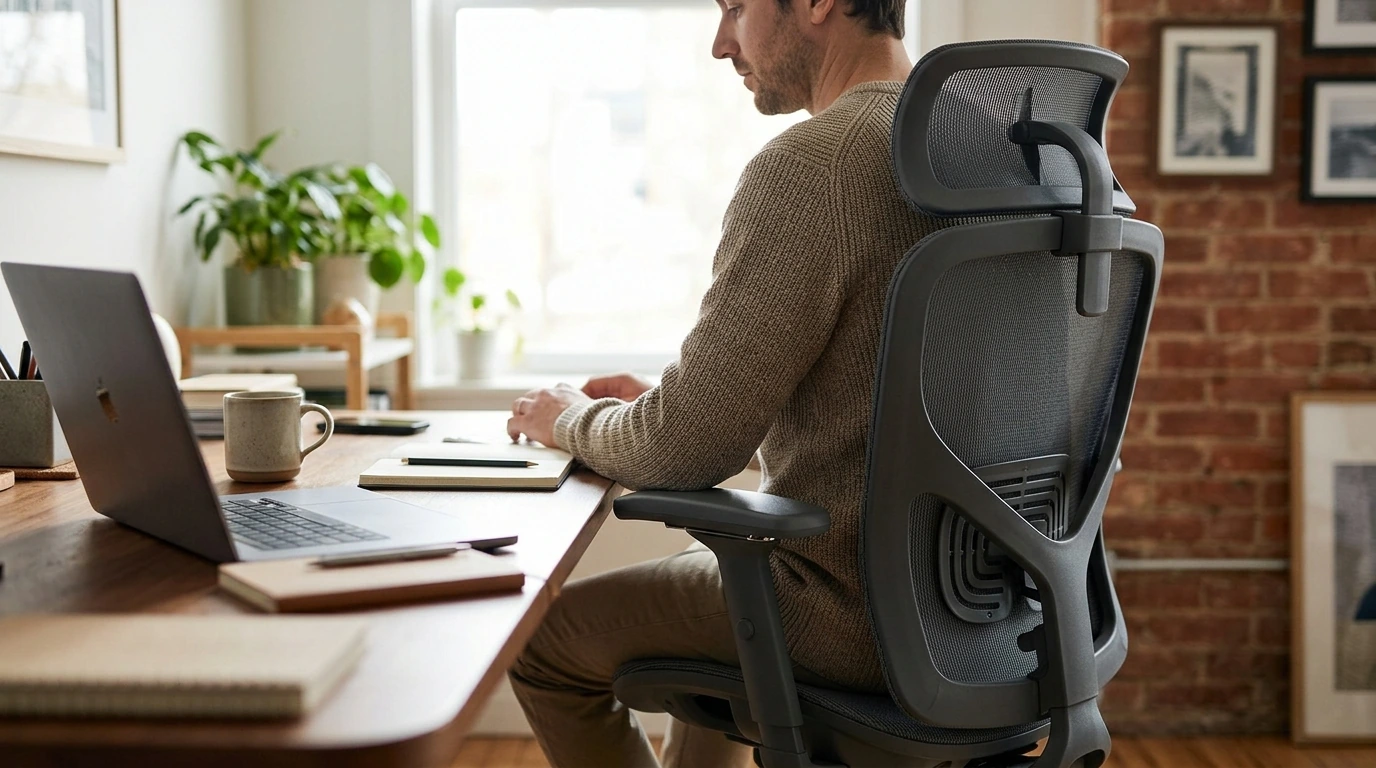
What type of chair is best for a bad back?
The best chair for a bad back is an ergonomic chair that supports your spine’s natural curve, keeps your hips slightly higher than your knees, and lets you adjust the seat height, depth, and lumbar support. Look for a chair with firm (not hard) cushioning, a supportive backrest that matches your lower-back shape, and armrests that let your shoulders stay relaxed rather than hunched.
Key features that matter most
Adjustable lumbar support is the top priority, since it helps maintain a neutral spine and reduces slouching. Seat depth adjustment (or a shorter seat pan) helps you sit back against the backrest while leaving a small gap behind your knees. A tilt and recline function can reduce pressure on spinal discs when used correctly, and adjustable armrests can take strain off the neck and upper back.
Chair types that tend to work well
Ergonomic office chairs are usually the safest all-around pick because they offer multiple adjustments to fit different bodies. Task chairs can work if they include real lumbar support and proper seat height adjustment, but many budget models are too flat in the backrest. Kneeling chairs may help some people reduce slouching, yet they’re often best as a supplement rather than an all-day solution.
Quick fit check before buying
Sit all the way back with your lower back supported, feet flat on the floor, and knees about level with (or slightly below) your hips. You should be able to rest your forearms on the armrests without lifting your shoulders. If the chair forces you to perch forward, it’s likely to aggravate back pain over time.
For a deeper breakdown of chair features and how to choose the right model, visit the full guide here.
FAQ
Is a firm or soft seat better for lower back pain?
A medium-firm seat is usually best: soft seats let you sink and round your spine, while overly firm seats can create pressure points. Aim for supportive cushioning that keeps your pelvis stable.
Recommended for you
Compare LEM, Hakka & Weston Sausage Stuffers
Sep 23, 2026











Leave a comment