-
Shop
- Advanced Technologies
- Best-Sellers
- Car Accessories
- Dating & Social Skills
- Digital Resources
- Budgeting & Saving
- Emotional Intelligence
- Entrepreneurship & Business Growth
- Financial Independence
- Financial Mindset & Psychology
- Goal Setting
- Leadership
- Mindfulness
- Motivation
- Online Business
- Positive Thinking
- Productivity
- Self Confidence
- Sleep Improvement
- Stress Management & Relaxation
- Yoga & Mind-Body Practices
- Education & Learning
- Family & Parenting
- Fashion
- Alexander McQueen
- Bags
- Bags & Wallets
- Balenciaga
- Belts
- Blazers
- Blouses & Shirts
- Bottega Veneta
- Bottoms
- Brunello Cucinelli
- Burberry
- Chanel
- Chloé
- Dior
- Dolce & Gabbana
- Dresses
- Etro
- Fendi
- Gucci
- Jacquemus
- Jewelry
- Jil Sander
- Keychains
- Kiton
- Luggage
- Luggage Bags
- Miu Miu
- Off-White
- Outerwear
- Prada
- Rick Owens
- Saint Laurent
- Shoes
- Socks & Tights
- The Row
- Tom Ford
- Valentino
- Valentino Garavani
- Versace
- Vivienne Westwood
- Fashion Accessories
- Furniture
- Gadgets
- Guess
- Headphones
- Health & Beauty
- Health & Wellness
- Home & Garden
- Home Supplies
- Kids & Babies
- Kitchen
- Kitchen Best-Sellers
- Lighting
- Patio, Lawn & Garden
- Personal Growth
- Pet Care
- Pet Supplies
- Pets
- Sport & Outdoors
- Super Deals
- TikTok Growth & Monetization Mastery
- Travel
- Wealth
- Popular
- Best deals
When Not to Use Nitrile Gloves: Heat, Solvents & More

What should you not use nitrile gloves for?
Nitrile gloves are a solid choice for many cleaning, beauty, and light maintenance tasks, but there are a few situations where they’re the wrong tool. Avoid using nitrile gloves for high-heat work, strong solvent exposure, and any task that demands medical-grade sterility or heavy-duty impact protection.
High heat, open flames, or hot cookware
Nitrile can soften, melt, or tear when exposed to heat. Don’t use them for grilling, handling hot pans, working near open flames, or pulling items from an oven. For heat hazards, use purpose-built heat-resistant gloves or mitts.
Handling certain aggressive solvents
While nitrile generally holds up well to many chemicals, some strong solvents can break it down, causing swelling, softening, or rapid permeation. Avoid relying on nitrile for prolonged contact with chemicals like ketones (for example, acetone in high concentrations), certain paint strippers, or highly concentrated industrial solvents. For chemical work, check a chemical compatibility chart and choose the correct glove material and thickness for the specific product.
Tasks requiring sterile technique
Disposable nitrile gloves sold for cleaning or general use are not sterile. Don’t use them for wound care, invasive medical tasks, or anything requiring sterile handling. If sterility is required, choose sterile, individually packaged medical exam or surgical gloves as appropriate.
Heavy abrasion, puncture, or mechanical hazards
Nitrile gloves help with light protection, but they’re not cut-resistant and can puncture when handling sharp metal edges, broken glass, needles, or rough construction materials. For those jobs, use cut-resistant or impact-rated work gloves, sometimes layered with a disposable glove only when contamination control is needed.
When the glove is damaged or contaminated
Don’t keep wearing nitrile gloves that are torn, sticky, discolored, or heavily soiled—especially after contacting harsh chemicals. Swap to a fresh pair to reduce skin exposure and prevent cross-contamination across surfaces.
For more guidance on where black nitrile gloves shine (and how to choose the right pair for cleaning and beauty tasks), see the full guide here: https://bizzarshops.com/guide-black-nitrile-gloves-cleaning-beauty-tasks/.
FAQ
Are nitrile gloves safe for food handling?
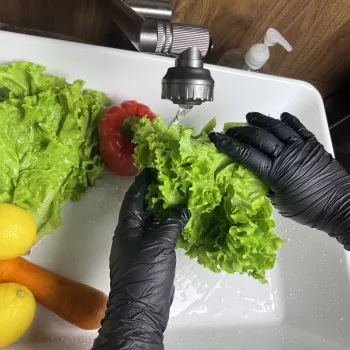
Many nitrile gloves are suitable for food prep, but it depends on the product. Look for gloves labeled as food-safe and change them often to avoid cross-contamination.














Leave a comment