-
Shop
- Advanced Technologies
- Best-Sellers
- Car Accessories
- Dating & Social Skills
- Digital Resources
- Budgeting & Saving
- Emotional Intelligence
- Entrepreneurship & Business Growth
- Financial Independence
- Financial Mindset & Psychology
- Goal Setting
- Leadership
- Mindfulness
- Motivation
- Online Business
- Positive Thinking
- Productivity
- Self Confidence
- Sleep Improvement
- Stress Management & Relaxation
- Yoga & Mind-Body Practices
- Education & Learning
- Family & Parenting
- Fashion
- Alexander McQueen
- Bags
- Bags & Wallets
- Balenciaga
- Belts
- Blazers
- Blouses & Shirts
- Bottega Veneta
- Bottoms
- Brunello Cucinelli
- Burberry
- Chanel
- Chloé
- Dior
- Dolce & Gabbana
- Dresses
- Etro
- Fendi
- Gucci
- Jacquemus
- Jewelry
- Jil Sander
- Keychains
- Kiton
- Luggage
- Luggage Bags
- Miu Miu
- Off-White
- Outerwear
- Prada
- Rick Owens
- Saint Laurent
- Shoes
- Socks & Tights
- The Row
- Tom Ford
- Valentino
- Valentino Garavani
- Versace
- Vivienne Westwood
- Fashion Accessories
- Furniture
- Gadgets
- Guess
- Headphones
- Health & Beauty
- Health & Wellness
- Home & Garden
- Home Supplies
- Kids & Babies
- Kitchen
- Kitchen Best-Sellers
- Lighting
- Patio, Lawn & Garden
- Personal Growth
- Pet Care
- Pet Supplies
- Pets
- Sport & Outdoors
- Super Deals
- TikTok Growth & Monetization Mastery
- Travel
- Wealth
- Popular
- Best deals
Portable Handheld Fabric Steamer: A Clothing Care Guide
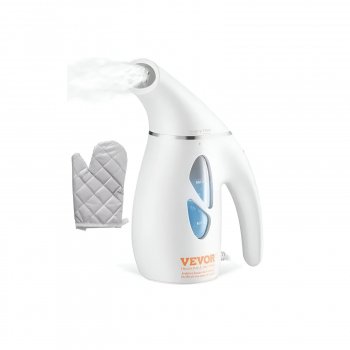
Wrinkles can appear when clothes sit in a suitcase, hang in a crowded closet, or wait in a laundry basket. Our Portable Handheld Fabric Steamer offers a straightforward way to tend to clothing at home or away, without bringing out an ironing board. A little preparation and attention to the care label can help you decide when steaming makes sense.
When a Handheld Steamer Comes in Handy
Steam can help relax wrinkles in many garments while they hang. That makes a handheld steamer useful when you want to smooth a shirt before heading out or freshen the appearance of a dress after unpacking. You can focus on the wrinkled areas rather than setting up an ironing board for the whole garment.
Results depend on the fabric, the depth of the wrinkles, and how the garment has been stored. Steaming may soften an everyday rumpled look, but it is not necessarily the right tool for a sharply pressed finish. If you want a defined trouser crease or crisp edges, an iron may be a better choice when the fabric’s care label permits it.
| Task | Approach | Consideration |
|---|---|---|
| Everyday wrinkles | Steam a hanging garment | Follow the garment care label |
| Sharp trouser creases | Use an iron if the fabric permits | Choose the appropriate heat setting |
| Delicate fabrics | Check the care label first | Test an inconspicuous area when appropriate |
Plan a little extra time before you get dressed. A garment may feel damp after steaming, so it helps to let it dry fully rather than putting it on immediately. Leaving space around the hanging item also makes it easier to work without bunching the fabric.
Meet the Portable Handheld Fabric Steamer
We offer the Portable Handheld Fabric Steamer for $34.51 as a handheld option for clothing care. It is a practical choice to consider if you want an alternative to pressing every minor wrinkle with an iron. Visit the product page for current availability and purchase details.
A steamer can be useful alongside everyday wardrobe pieces, such as our Guess Women’s Printed T-Shirt with Round Neck. Before treating any printed garment, follow its care label and the steamer instructions; take particular care around decorative areas. If the label does not permit the treatment, choose another appropriate care method.
Our team recommends thinking about how you will use a steamer before choosing one. Consider where you have room to hang clothes, whether you usually need to smooth a few items or press a full outfit, and which fabrics you care for most often. Comparing manufacturer specifications can also help you find an appliance that fits your routine.
How to Steam Clothes Safely
Start with the garment’s care label and the appliance instructions. A care label provides guidance specific to the item, while the steamer instructions explain how to operate the appliance. The Federal Trade Commission’s guide to care labeling offers background on the care information found on clothing labels.
Hang the garment securely where it has enough room to hang freely. Keep your hands and other body parts clear of the steam, and never steam clothing while someone is wearing it. Move the steamer over the fabric as directed by its instructions, giving extra attention to wrinkles without holding it in one place longer than recommended.
When you finish, let the garment dry before wearing it or putting it away. Unplug the appliance and allow it to cool before handling or storing it. Follow its instructions for any additional steps needed after use.
Choosing Fabrics and Surfaces
A wrinkle alone does not tell you whether an item should be steamed. Fabric composition, finishes, decorations, and construction can all affect the appropriate care method. If an item has special details or a delicate finish, read its label carefully and, when appropriate, test an inconspicuous area before treating a visible section.
Upholstery requires a separate decision. Follow both the furniture care label and the appliance instructions, and test a hidden area if steam is permitted. Do not assume that a garment steamer is suitable for a sofa or chair: choose an appliance whose manufacturer explicitly allows upholstery use. Steaming should not be treated as a substitute for a recommended cleaning method.
Before choosing, compare the product details with your daily routine, available space, care needs, and preferred setup. The strongest option is usually the one that fits the intended use clearly and remains simple to clean, store, and check before repeat use.
It is also worth checking measurements, material notes, included parts, and compatibility details so the item matches the way it will be used after delivery.
FAQ
Do handheld clothes steamers really work?
Yes. Steam can help relax many clothing wrinkles, although results vary by fabric and a steamer does not create the crisp creases you can achieve with an iron.
Which is the best portable garment steamer?
There is no single best choice for everyone. Compare your intended use, portability needs, and manufacturer specifications to find a model that suits your routine.
What is the best handheld steamer for upholstery?
Choose a model whose manufacturer explicitly permits upholstery use, and check the furniture care label before steaming. Do not assume a garment steamer is suitable for upholstery.
Recommended for you


Cozy Arched Cat Cave Bed: Placement and Comfort Tips
Nov 10, 2026











Leave a comment