-
Shop
- Advanced Technologies
- Best-Sellers
- Car Accessories
- Dating & Social Skills
- Digital Resources
- Budgeting & Saving
- Emotional Intelligence
- Entrepreneurship & Business Growth
- Financial Independence
- Financial Mindset & Psychology
- Goal Setting
- Leadership
- Mindfulness
- Motivation
- Online Business
- Positive Thinking
- Productivity
- Self Confidence
- Sleep Improvement
- Stress Management & Relaxation
- Yoga & Mind-Body Practices
- Education & Learning
- Family & Parenting
- Fashion
- Alexander McQueen
- Bags
- Bags & Wallets
- Balenciaga
- Belts
- Blazers
- Blouses & Shirts
- Bottega Veneta
- Bottoms
- Brunello Cucinelli
- Burberry
- Chanel
- Chloé
- Dior
- Dolce & Gabbana
- Dresses
- Etro
- Fendi
- Gucci
- Jacquemus
- Jewelry
- Jil Sander
- Keychains
- Kiton
- Luggage
- Luggage Bags
- Miu Miu
- Off-White
- Outerwear
- Prada
- Rick Owens
- Saint Laurent
- Shoes
- Socks & Tights
- The Row
- Tom Ford
- Valentino
- Valentino Garavani
- Versace
- Vivienne Westwood
- Fashion Accessories
- Furniture
- Gadgets
- Guess
- Headphones
- Health & Beauty
- Health & Wellness
- Home & Garden
- Home Supplies
- Kids & Babies
- Kitchen
- Kitchen Best-Sellers
- Lighting
- Patio, Lawn & Garden
- Personal Growth
- Pet Care
- Pet Supplies
- Pets
- Sport & Outdoors
- Super Deals
- TikTok Growth & Monetization Mastery
- Travel
- Wealth
- Popular
- Best deals
Most Valuable Vases: Makers, Porcelain, Art Glass & More
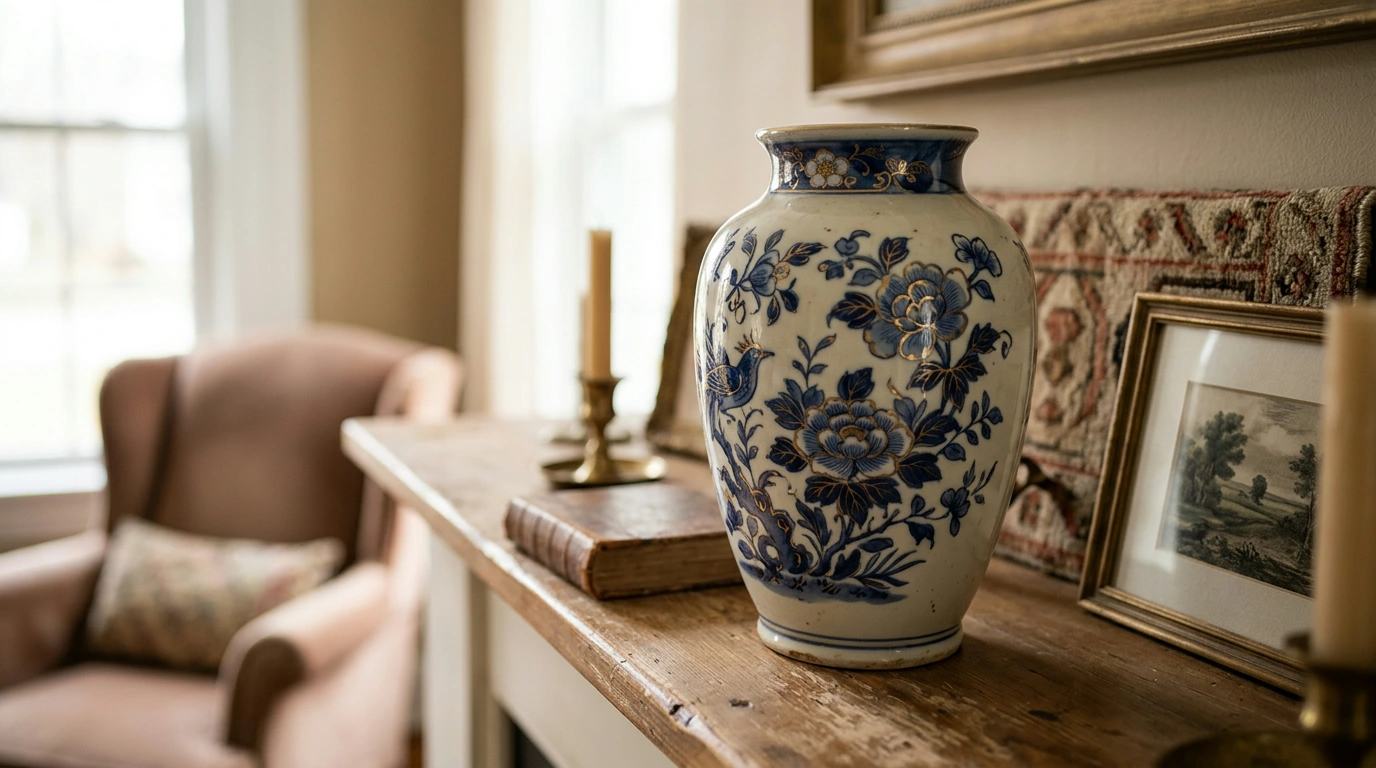
What are the most valuable vases?
The most valuable vases are the ones where craftsmanship, materials, provenance, and condition all line up. When you’re trying to spot a vase worth real money (or choose one that will hold value in your collection), focus on a few reliable categories: celebrated makers, high-skill techniques, rare forms, and untouched original surfaces.
1) Signed, documented maker pieces
Vases that are clearly attributed to a well-known workshop, artist, or manufacturer tend to command the highest prices. Look for signatures, factory marks, or etched identifiers, plus consistent quality in the shaping and finishing. When a vase can be confidently tied to a recognized maker, it becomes easier to authenticate, insure, and resell.
2) Porcelain with complex decoration (especially gilt and frosted)
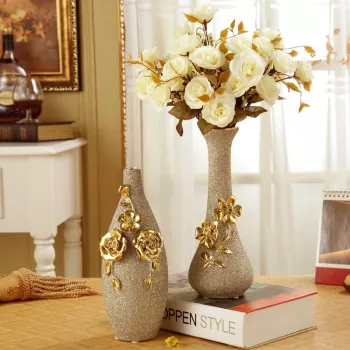
Fine porcelain vases rise in value when the decoration takes labor and expertise—think hand-applied gilding, layered enamel work, and frosted or matte textures that contrast with glossy glaze. A great example is a gilt-and-frosted porcelain vase used as elevated decor; our team walks through what to look for in this style in our guide: https://bizzarshops.com/guide-gilt-frosted-porcelain-vase-vintage-home-office-wedding-decor/.
3) Art glass with controlled techniques
Studio and art glass vases can be highly valuable when they show mastery: crisp symmetry (or intentionally perfect asymmetry), clean pontil finishing, and advanced methods like controlled bubbles, casing layers, or intricate color transitions. Weight, clarity, and precision around the rim and foot often separate premium pieces from decorative copies.
4) Rare size, form, and matched pairs
Uncommon silhouettes, large-scale statement sizes, and true matched pairs typically bring higher prices than standard single vases. Collectors also pay more for forms that are hard to produce—tall narrow necks, complex handles, or sculptural bodies that still sit stable and true.
5) Condition that preserves the original surface
Value drops fast with chips, hairline cracks, repairs, or worn gilding. For display and investment, prioritize vases with intact rims and bases, stable glazing, and decoration that hasn’t been over-cleaned. If you’re styling with fresh flowers, use an inner liner to protect delicate finishes.
FAQ
How can you tell if a vase is antique?
Check for maker’s marks, hand-finished details, and natural signs of age like gentle wear on the base rather than uniform scuffing. Consistency between materials, decoration, and construction is a strong clue.
Recommended for you

Level-Up Your Work Checklist: 10-Min Focus Reset
Oct 17, 2026








Leave a comment