-
Shop
- Advanced Technologies
- Best-Sellers
- Car Accessories
- Dating & Social Skills
- Digital Resources
- Budgeting & Saving
- Emotional Intelligence
- Entrepreneurship & Business Growth
- Financial Independence
- Financial Mindset & Psychology
- Goal Setting
- Leadership
- Mindfulness
- Motivation
- Online Business
- Positive Thinking
- Productivity
- Self Confidence
- Sleep Improvement
- Stress Management & Relaxation
- Yoga & Mind-Body Practices
- Education & Learning
- Family & Parenting
- Fashion
- Alexander McQueen
- Bags
- Bags & Wallets
- Balenciaga
- Belts
- Blazers
- Blouses & Shirts
- Bottega Veneta
- Bottoms
- Brunello Cucinelli
- Burberry
- Chanel
- Chloé
- Dior
- Dolce & Gabbana
- Dresses
- Etro
- Fendi
- Gucci
- Jacquemus
- Jewelry
- Jil Sander
- Keychains
- Kiton
- Luggage
- Luggage Bags
- Miu Miu
- Off-White
- Outerwear
- Prada
- Rick Owens
- Saint Laurent
- Shoes
- Socks & Tights
- The Row
- Tom Ford
- Valentino
- Valentino Garavani
- Versace
- Vivienne Westwood
- Fashion Accessories
- Furniture
- Gadgets
- Guess
- Headphones
- Health & Beauty
- Health & Wellness
- Home & Garden
- Home Supplies
- Kids & Babies
- Kitchen
- Kitchen Best-Sellers
- Lighting
- Patio, Lawn & Garden
- Personal Growth
- Pet Care
- Pet Supplies
- Pets
- Sport & Outdoors
- Super Deals
- TikTok Growth & Monetization Mastery
- Travel
- Wealth
- Popular
- Best deals
Wet-Dry Vacuum Buying Guide: Uses, Limits, and Value
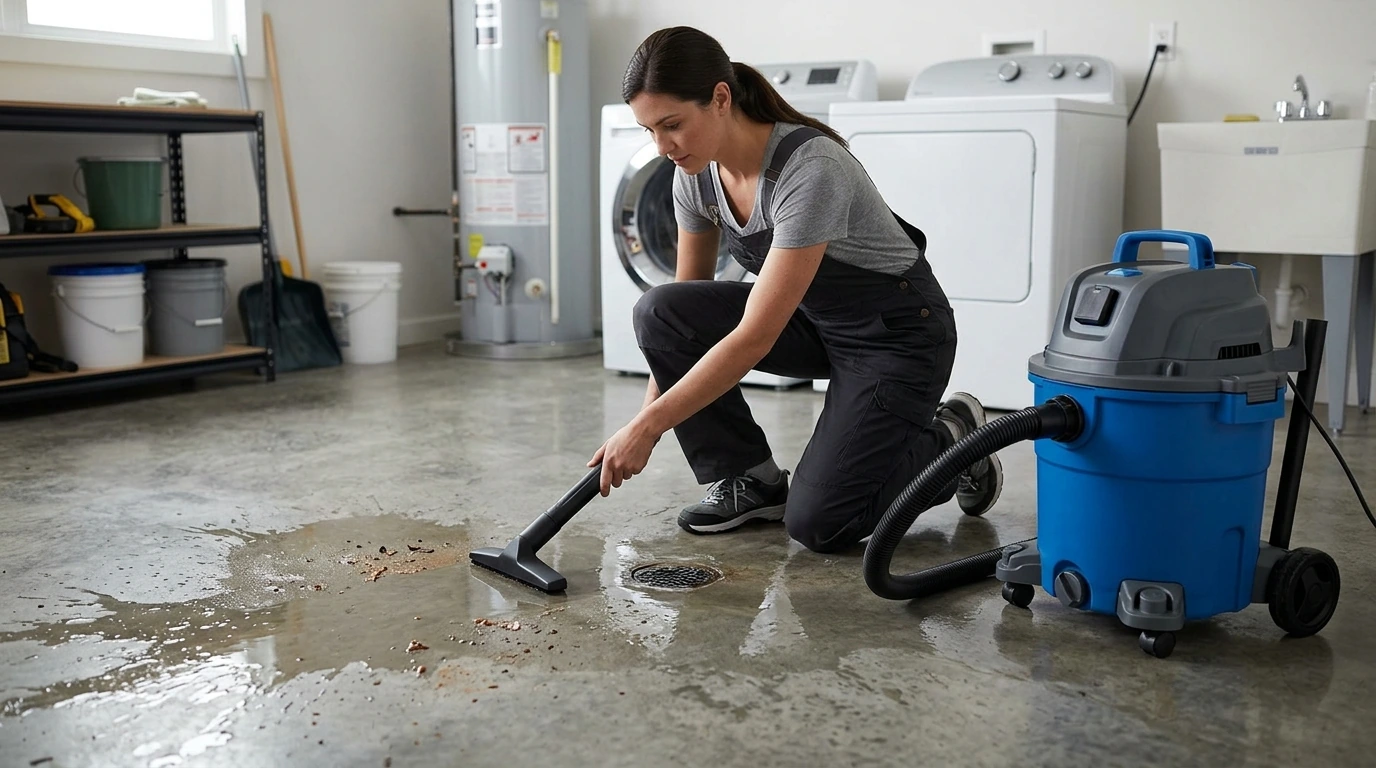
Is a wet-dry vacuum a good fit for your cleanup routine?
A wet-dry vacuum can be a worthwhile buy if your messes range from sawdust and leaves to spilled water or tracked-in mud. Its main advantage is versatility: one machine can handle many jobs that a standard household vacuum should not. Whether it earns a place in your home or workshop depends on how often you need that flexibility and whether you have room to store it.
What can a wet-dry vacuum handle?
These vacuums are designed to collect dry debris and, when set up for liquid pickup, certain nonflammable liquids. They can be useful in garages, basements, workshops, vehicles, and utility areas. A model with suitable attachments may also help with crevices, upholstery, or hard-to-reach corners, but attachment selection and performance vary.
Wet pickup often requires changing the filter or adding a specific accessory. Follow the model’s instructions before switching between dry and wet cleanup, and use the float or automatic shutoff feature as directed. Empty and rinse the tank after liquid pickup, then let it dry to help prevent odors and residue.
When is buying one worth it?
Consider a wet-dry vacuum if you regularly tackle DIY projects, clean a garage or workshop, deal with occasional leaks, or want a dedicated machine for vehicle messes. It can save time when a broom, dustpan, towels, or a household vacuum would be awkward or unsuitable. Frequent use makes its extra capacity and flexible cleanup modes more valuable.
It may be less useful if your cleaning needs are mostly everyday floors and light household dust. Wet-dry models can be bulky, noisy, and less convenient to store than a standard vacuum. They also need tank and filter maintenance, and they are not a replacement for a carpet extractor when you want to deep-clean carpet fibers.
What should you compare before choosing?
Start with the messes you expect to clean, then compare tank capacity, overall size, hose reach, included attachments, and how easy the tank is to empty. A larger tank means fewer stops during bigger jobs, but it can make the vacuum heavier to move and store. Check whether the filter and accessories support the types of wet and dry cleanup you plan to do.
Never use a wet-dry vacuum for flammable liquids, hot ashes, or hazardous materials unless the manufacturer specifically approves that use. For a broader overview of choosing one, visit our guide to whether a wet-dry vacuum is worth buying.
FAQ
What should you avoid vacuuming with a wet-dry vacuum?
Avoid flammable or combustible liquids, hot ashes, and hazardous dust such as asbestos. Follow the manufacturer’s instructions for liquids and debris, since safe use depends on the vacuum’s design and setup.














Leave a comment