-
Shop
- Advanced Technologies
- Best-Sellers
- Car Accessories
- Dating & Social Skills
- Digital Resources
- Budgeting & Saving
- Emotional Intelligence
- Entrepreneurship & Business Growth
- Financial Independence
- Financial Mindset & Psychology
- Goal Setting
- Leadership
- Mindfulness
- Motivation
- Online Business
- Positive Thinking
- Productivity
- Self Confidence
- Sleep Improvement
- Stress Management & Relaxation
- Yoga & Mind-Body Practices
- Education & Learning
- Family & Parenting
- Fashion
- Alexander McQueen
- Bags
- Bags & Wallets
- Balenciaga
- Belts
- Blazers
- Blouses & Shirts
- Bottega Veneta
- Bottoms
- Brunello Cucinelli
- Burberry
- Chanel
- Chloé
- Dior
- Dolce & Gabbana
- Dresses
- Etro
- Fendi
- Gucci
- Jacquemus
- Jewelry
- Jil Sander
- Keychains
- Kiton
- Luggage
- Luggage Bags
- Miu Miu
- Off-White
- Outerwear
- Prada
- Rick Owens
- Saint Laurent
- Shoes
- Socks & Tights
- The Row
- Tom Ford
- Valentino
- Valentino Garavani
- Versace
- Vivienne Westwood
- Fashion Accessories
- Furniture
- Gadgets
- Guess
- Headphones
- Health & Beauty
- Health & Wellness
- Home & Garden
- Home Supplies
- Kids & Babies
- Kitchen
- Kitchen Best-Sellers
- Lighting
- Patio, Lawn & Garden
- Personal Growth
- Pet Care
- Pet Supplies
- Pets
- Sport & Outdoors
- Super Deals
- TikTok Growth & Monetization Mastery
- Travel
- Wealth
- Popular
- Best deals
Waterproof Diaper Tote Bag for Moms: Organized & Quick-Grab
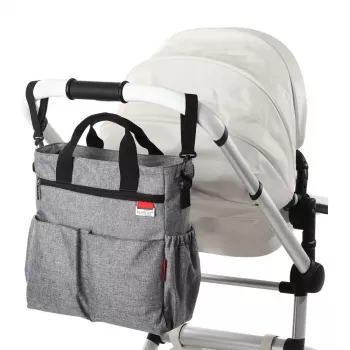
Waterproof Multifunction Baby Diaper Tote Bag for Moms
A reliable diaper tote keeps everyday outings simple: diapers stay dry, essentials stay organized, and everything is easy to grab with one hand. This waterproof multifunction tote is built for quick errands, longer travel days, daycare drop-offs, and stroller walks—without the bulk of a rigid diaper backpack.
What This Diaper Tote Is Designed to Do
A tote-style diaper bag is all about speed and flexibility. Instead of digging through deep backpack compartments, you can open the top and immediately see what you need—especially helpful when you’re balancing a baby, a stroller, or a squirmy toddler.
- Keep baby essentials organized in a single, easy-to-carry tote format
- Help protect contents from spills, wet wipes leaks, and light rain with a waterproof exterior
- Support fast access to the most-used items (diapers, wipes, cream, bottle, pacifier)
- Work for multiple roles: diaper bag, day bag, hospital bag companion, or travel carry-on organizer
If you want a streamlined option that transitions from “newborn essentials” to “toddler snacks and spare clothes,” the Waterproof Multifunction Baby Diaper Tote Bag for Moms is an easy everyday pick.
Waterproof Benefits for Real-Life Messes
Babies are tiny, adorable mess machines—so the practical value of a water-resistant outer layer shows up fast. Whether you’re setting the bag on a damp park bench or dealing with an unexpected bottle drip, the right material keeps cleanup simple.
- Water-resistant outer fabric helps keep items dry when the bag is set on damp surfaces or caught in drizzle
- Easier wipe-down after bottle drips, formula splashes, or snack spills
- Helps isolate accidental leaks so the mess is simpler to contain and clean
- Pairs well with wet/dry pouches for even better separation of soiled clothes or swim items
For hygiene on the go, pair your tote with a travel sanitizer and use proper handwashing whenever possible. The CDC’s guidance is a helpful refresher for families: CDC — Handwashing: Clean Hands Save Lives.
Everyday Organization That Saves Time
The best diaper tote setup is the one you can reset in under two minutes. A simple “zones” system keeps you from overpacking while still covering the essentials.
- Diapering zone: diapers, wipes, changing pad, cream, disposable bags
- Feeding zone: bottle, burp cloth, bib, snacks
- Quick-grab zone: pacifier case, teether, keys, phone, cards
- Clean/dirty separation: one pouch for fresh clothes, one for used clothes
Tip: Put the items you’ll need in the first five minutes (a diaper, wipes, a small toy) closest to the top. The “nice-to-have” items can sit lower.
Comfort and Carry Options for Busy Days
When you’re running in and out of the car, a tote is often faster than a backpack—especially if your baby is in a carrier or you’re holding hands with an older sibling.
- Tote-style carry makes it easy to sling onto a shoulder for quick trips
- Look for sturdy handles and reinforced stitching for heavier loads (bottles + extra outfits add up)
- For stroller use, keep the heaviest items toward the bottom to reduce tipping and strain on clips
- For hands-free moments, pack a small crossbody strap (if used) so the bag can shift positions easily
For daycare or grandparents’ houses, a tote is also easy to hand off, hang by the handles, and repack at pickup without reorganizing an entire backpack layout.
What to Pack: Simple Checklist for Outings
What you bring depends on baby’s age, feeding needs, and how long you’ll be away. A good baseline is “enough for the plan, plus a buffer for delays.” Newborns typically need more frequent changes, while older babies may need more snacks and entertainment.
Diaper Tote Packing Checklist
| Item | Why it helps | Typical quantity |
|---|---|---|
| Diapers | Planned changes + surprises | 4–8 (half day), 8–12 (full day) |
| Wipes | Diapering + hands/face cleanup | 1 travel pack or 1 full pack |
| Changing pad | Clean surface anywhere | 1 |
| Diaper cream | Prevents irritation; helps with redness | 1 small tube |
| Disposable bags | Contain odors/soiled items | 3–6 |
| Extra outfit | Blowouts, spills, weather shifts | 1–2 |
| Burp cloth | Spit-up and quick wipe downs | 1–2 |
| Bottle/formula or snacks | Feeding on the go | As needed for trip |
| Pacifier/teether | Soothing and distraction | 1–2 (in a case) |
| Hand sanitizer | When soap/water aren’t available | 1 small bottle |
If diaper rash is a recurring issue, it may help to review pediatrician-backed basics on prevention and care: HealthyChildren.org (AAP) — Diaper Rash.
Cleaning and Care Tips for a Waterproof Tote
When a Tote Makes More Sense Than a Backpack
More In-Stock Finds to Round Out Busy Days
- Guess Women’s Printed T-Shirt with Round Neck (easy, throw-on-and-go style for errands)
- Spray Shelter for Furniture & Craft Projects (helpful for quick home projects without overspray)
- Versatile Mid Century Nordic Dining Chair for Home and Events (a practical seating upgrade for family spaces)
FAQ
Is a waterproof diaper tote fully leak-proof?
Not always. Many totes use water-resistant or waterproof fabric on the outside, but seams and zippers may not be fully sealed, so liquids can still seep through over time. For soaked clothing or open containers, use wet/dry pouches to keep moisture contained.
How many diapers should be packed for a typical outing?
A simple rule is 4–8 diapers for a half-day and 8–12 for a full day, then add a couple extra for delays or blowouts. Newborns often need more frequent changes, while older babies may need fewer but still benefit from a buffer.
How should a diaper tote be cleaned safely?
Wipe the exterior and interior with a damp cloth and mild soap, then let it air-dry completely before storing. Pay extra attention to seams and pocket corners so moisture doesn’t get trapped and cause odors.
Recommended for you

Do Both Parents Need Their Own Diaper Bag?
Sep 29, 2026












Leave a comment