-
Shop
- Advanced Technologies
- Best-Sellers
- Car Accessories
- Dating & Social Skills
- Digital Resources
- Budgeting & Saving
- Emotional Intelligence
- Entrepreneurship & Business Growth
- Financial Independence
- Financial Mindset & Psychology
- Goal Setting
- Leadership
- Mindfulness
- Motivation
- Online Business
- Positive Thinking
- Productivity
- Self Confidence
- Sleep Improvement
- Stress Management & Relaxation
- Yoga & Mind-Body Practices
- Education & Learning
- Family & Parenting
- Fashion
- Alexander McQueen
- Bags
- Bags & Wallets
- Balenciaga
- Belts
- Blazers
- Blouses & Shirts
- Bottega Veneta
- Bottoms
- Brunello Cucinelli
- Burberry
- Chanel
- Chloé
- Dior
- Dolce & Gabbana
- Dresses
- Etro
- Fendi
- Gucci
- Jacquemus
- Jewelry
- Jil Sander
- Keychains
- Kiton
- Luggage
- Luggage Bags
- Miu Miu
- Off-White
- Outerwear
- Prada
- Rick Owens
- Saint Laurent
- Shoes
- Socks & Tights
- The Row
- Tom Ford
- Valentino
- Valentino Garavani
- Versace
- Vivienne Westwood
- Fashion Accessories
- Furniture
- Gadgets
- Guess
- Headphones
- Health & Beauty
- Health & Wellness
- Home & Garden
- Home Supplies
- Kids & Babies
- Kitchen
- Kitchen Best-Sellers
- Lighting
- Patio, Lawn & Garden
- Personal Growth
- Pet Care
- Pet Supplies
- Pets
- Sport & Outdoors
- Super Deals
- TikTok Growth & Monetization Mastery
- Travel
- Wealth
- Popular
- Best deals
Mesh Chairs & Back Support: When They Help or Hurt
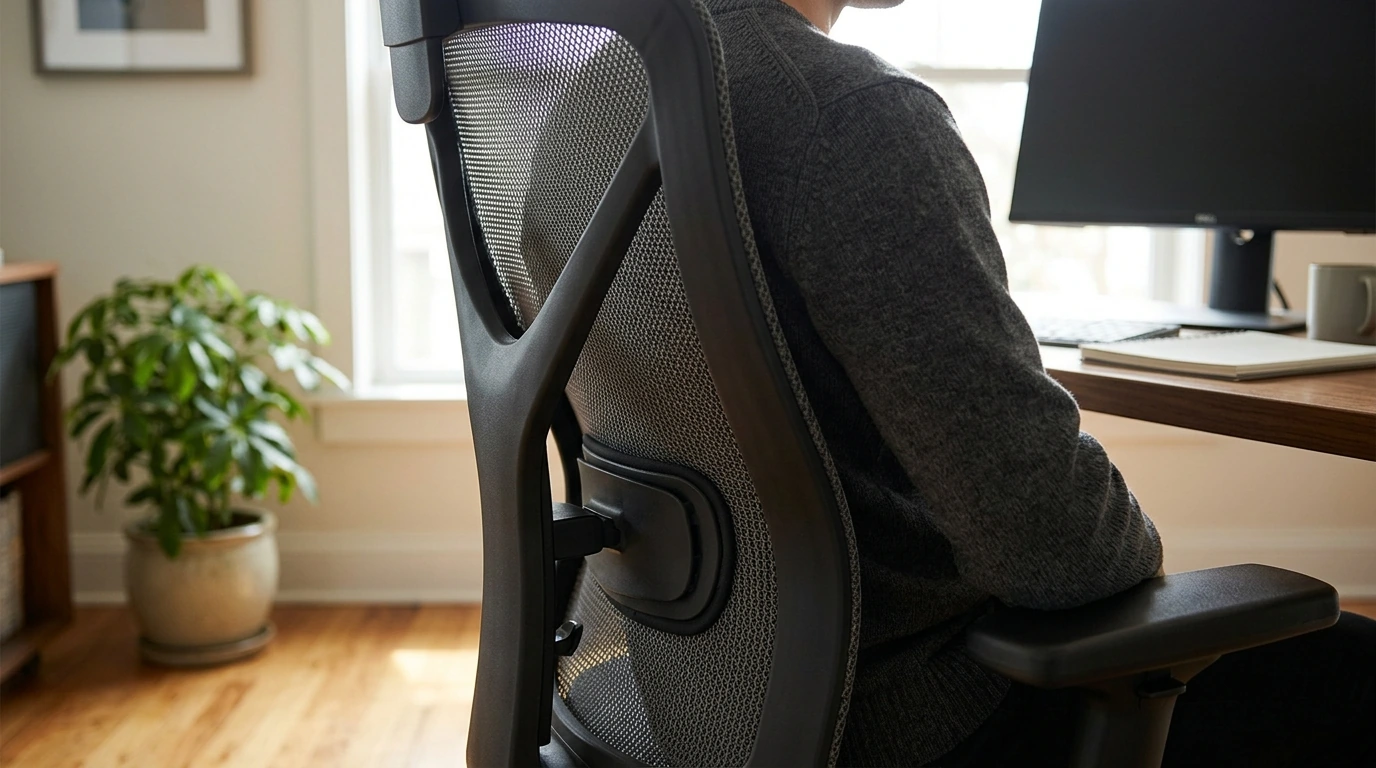
Are mesh chairs better for your back?
Mesh chairs can be better for your back when they provide consistent lumbar support, encourage an upright posture, and let you fine-tune the fit. The breathable mesh is a comfort bonus, but back support comes more from the chair’s structure and adjustability than from the material alone.
When a mesh chair helps
A well-designed mesh chair typically flexes to match your body, which can reduce pressure points along the lower back and shoulders during long sessions. Many mesh models also pair a firm frame with adjustable lumbar support, helping maintain the natural curve of the spine instead of letting the pelvis roll backward. For people who run warm or sit for hours, better airflow can reduce discomfort that leads to slouching.
When a mesh chair can make things worse
Not all mesh is supportive. If the mesh is too loose, the seat pan can “hammock,” tilting the pelvis and stressing the lower back. Some budget chairs also skip meaningful lumbar adjustment or use a small, hard pad that hits the wrong spot. For heavier users or those with specific back issues, mesh that’s overstretched or poorly tensioned may feel unsupportive over time.
What to look for in a back-friendly mesh chair
Prioritize adjustable lumbar height/depth, seat height, seat depth, and recline tension. A supportive seat edge that doesn’t cut into the thighs helps circulation and keeps you from sliding forward. Armrests that adjust up/down (and ideally in/out) reduce shoulder strain and help keep the spine stacked. If possible, try the chair for at least 10–15 minutes and notice whether you can sit with hips slightly higher than knees while keeping your lower back gently supported.
For a deeper breakdown of what matters most and how to choose the right fit, visit https://bizzarshops.com/are-mesh-chairs-better-for-your-back/.
FAQ
What features matter most in an ergonomic office chair?
Adjustable lumbar support, seat height, seat depth, and recline tension make the biggest difference. These let you keep your spine neutral and your hips positioned comfortably throughout the day.










Leave a comment